
Paramount presses ahead on Warner Bros. Discovery deal despite state lawsuit
Paramount’s lawyer said the company still aims to close the Warner Bros. Discovery acquisition by late September as states seek to block it.
By Daniel Okafor · Business Editor
3 min read
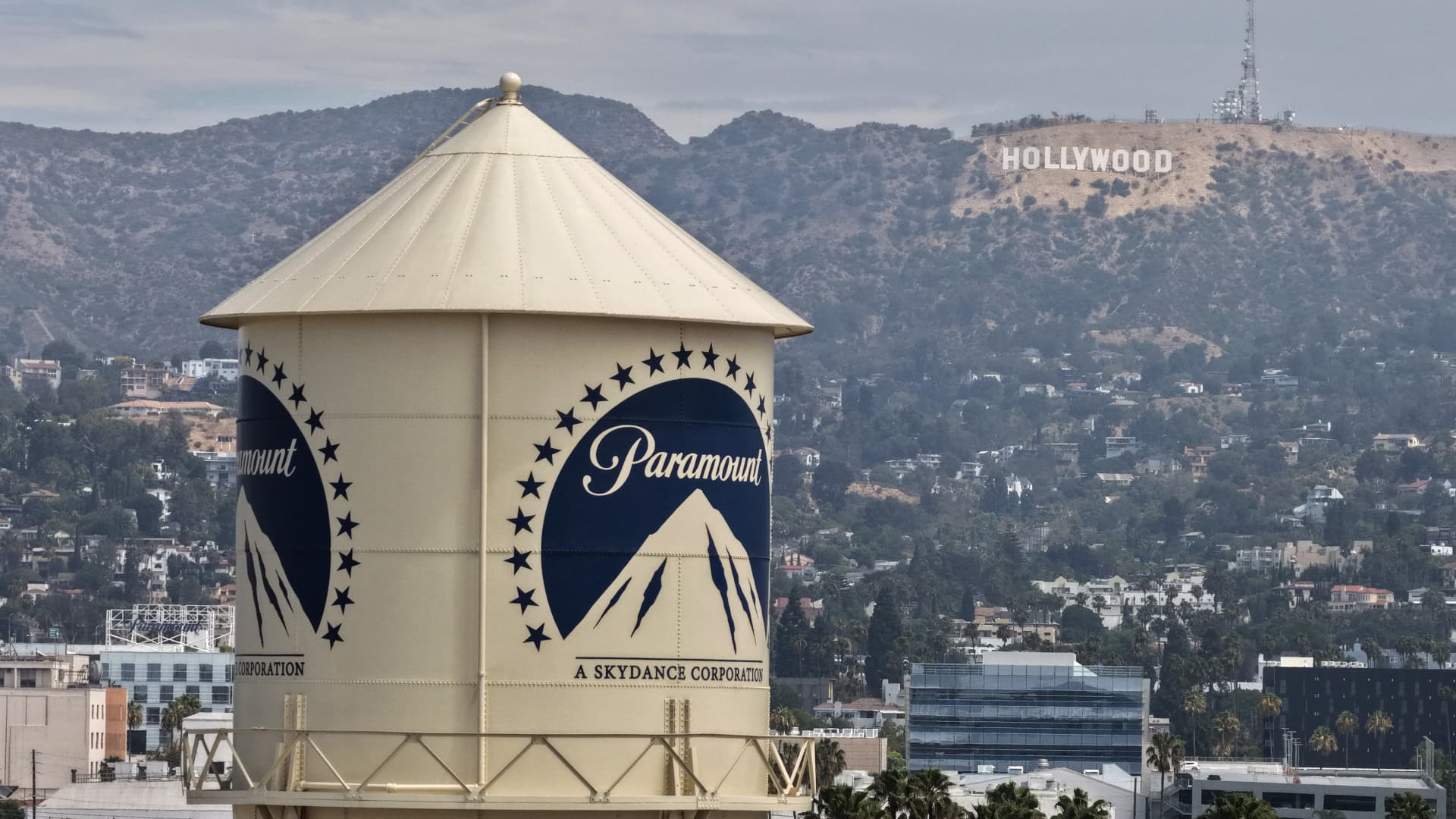
Paramount Skydance still expects to complete its planned purchase of Warner Bros. Discovery by the end of September, even as a coalition of state attorneys general asks a court to stop the deal. The fight matters because the merger would combine two major Hollywood studios and a broad set of pay TV networks while testing state antitrust challenges to a transaction already cleared by U.S. federal antitrust officials.
Jeffrey Kessler, Paramount’s lead trial counsel, told CNBC’s David Faber on Tuesday that the company remains prepared to close the acquisition on its timetable. Kessler said Paramount could take the dispute to the Supreme Court if a prolonged legal blockade prevents the transaction from closing.
The lawsuit was filed Monday by state attorneys general led by California Attorney General Rob Bonta, according to CNBC and Bonta’s office. The states are seeking to block the transaction on antitrust grounds, with concerns centered on film and pay television markets.
Later Monday, the state coalition asked for a temporary restraining order that would pause the deal while the case proceeds, CNBC reported. Kessler told CNBC the request followed Paramount’s indication that it wanted to be in position to close as soon as July 22, if it had all needed regulatory approvals by then.
EU review remains a key step
The European Union is still reviewing the transaction and has set July 22 as a provisional deadline, according to CNBC. Paramount has submitted concessions to EU regulators as part of that process, CNBC reported.
The proposed acquisition has received clearance from the U.S. Department of Justice’s Antitrust Division and other jurisdictions, according to CNBC. Kessler said Paramount would accept a court schedule that resolved the states’ challenge by early September, but said the states rejected that option along with the company’s preferred closing path.
If a temporary restraining order is granted, it would halt the deal for 14 days, CNBC reported. CNBC said as many as two such orders could be issued before the states pursue a preliminary injunction, which could keep the transaction frozen while the court considers the case.
Kessler told CNBC that Paramount does not expect the matter to reach that stage because the company does not view the merger as an antitrust problem. He described the transaction as pro-competitive and said the combined company would be better able to compete with Netflix, Disney and Amazon’s Prime Video.
States warn of higher prices and less content
Bonta said Monday that the merger would result in higher prices, reduced quality and less film and television content, according to a statement from his office cited by CNBC. He said the harm would reach movie theaters, basic cable distributors and viewers.
Kessler pointed to pressure across entertainment, including consumers leaving pay TV bundles and streaming competition from larger rivals, CNBC reported. He also said the transaction would help movie theaters and Hollywood workers by creating a stronger competitor.
A delay past Sept. 30 could raise Paramount’s costs. CNBC reported that the merger agreement includes a ticking fee requiring Paramount to pay additional fees to Warner Bros. Discovery shareholders each quarter after that date, amounting to about $650 million in cash value per quarter.
Paramount CEO David Ellison has pledged that the combined studios would release 30 films a year, according to CNBC. Kessler told CNBC that Paramount has offered to put that commitment in writing for the states, with litigation available later if the company failed to meet it.
This story draws on original reporting from CNBC.