
OpenAI files for IPO option as Altman voices public-market doubts
OpenAI has submitted confidential IPO paperwork, giving it flexibility as AI rivals race toward public markets and its capital needs grow.
By Sofia Marchetti · World Affairs Correspondent
3 min read
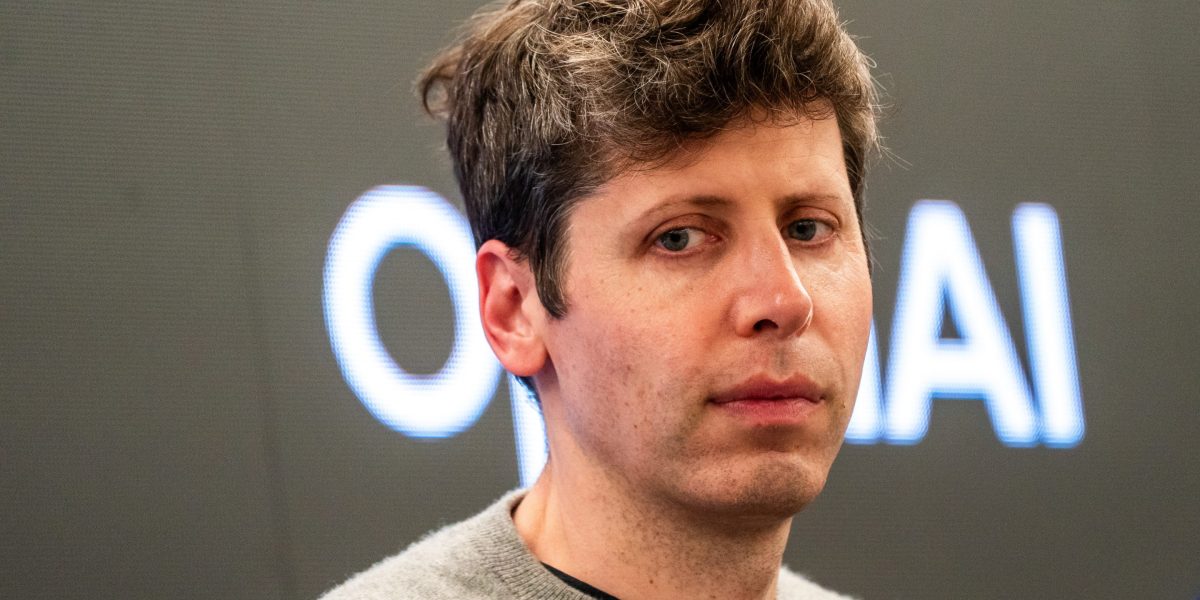
OpenAI has taken an early step toward a potential stock-market listing, even as CEO Sam Altman has said he has little enthusiasm for running a public company. The move matters because the ChatGPT maker is seeking ways to fund an expensive AI race while rivals also prepare for public-market scrutiny.
Fortune reported that OpenAI filed preliminary confidential paperwork with the Securities and Exchange Commission this month, a step that could lead to an initial public offering. OpenAI said in a company statement that it disclosed the filing because it expected the news to leak.
The company said it has not settled on timing and that a listing “may be a while,” because some work may be easier while OpenAI remains private. OpenAI said the filing gives it the option to go public sooner if that becomes the best path.
Altman’s mixed view of public markets
Altman described his reluctance in a December 2025 episode of the Big Technology Podcast. Asked whether he was excited to be the chief executive of a public company, he answered, “0%.”
Altman also said he had mixed feelings about OpenAI itself going public, saying there were ways it could be appealing and ways it could be “really annoying.” Public companies face broader investor attention, regulatory requirements and market pressure, and Fortune reported that founders often have less influence after a listing.
Altman said public markets can allow more investors to share in a company’s gains. He also said OpenAI needs large amounts of capital and will at some point cross shareholder limits, making a public listing a practical consideration.
Capital needs and a crowded IPO race
Fortune reported that an IPO could help OpenAI raise billions of dollars needed to compete in artificial intelligence. The company began as a nonprofit in 2015, then completed a restructuring in October 2025 that shifted it into a more conventional for-profit structure.
Under that restructuring, Fortune reported, the nonprofit that controls OpenAI received a $130 billion stake. Microsoft’s stake was reduced to 27%, while the software company received expanded research access, and OpenAI gained more freedom to work with other cloud-computing providers.
OpenAI’s filing came during a burst of public-market activity among technology companies, according to Fortune. Anthropic, an OpenAI rival, announced plans for a fall IPO the week before OpenAI’s filing, while SpaceX was completing its first week as a public company after its market capitalization rose above $2.5 trillion and passed Amazon’s.
Competition adds pressure
OpenAI has also been pressing staff to respond more quickly to competitive threats. Fortune reported that Altman declared a “code red” in an internal memo last year after Google drew attention for its Gemini 3 model, which Google said was deployed into Search in one day, its fastest model rollout for that product.
Fortune reported that Altman’s order created an eight-week push to focus on OpenAI’s own work while delaying efforts such as advertising and wider e-commerce features. OpenAI released a model after that period, Fortune reported.
The company’s spending remains a concern. Ed Zitron reported that OpenAI lost $38.5 billion in the 2025 calendar year and another $3.7 billion in the first quarter of 2026, with costs running far ahead of revenue.
Anthropic has faced its own issues ahead of a possible listing. Fortune reported that the U.S. government ordered the company to suspend its Fable and Mythos models over national security concerns, after the Pentagon labeled Anthropic a “supply chain risk” in March.
Altman told the Big Technology Podcast that fast responses to competitive threats are likely to continue. He said OpenAI may run such efforts once or twice a year for a long time as it tries to stay ahead of companies including Google and DeepSeek.
This story draws on original reporting from Fortune.