
Oil slips as traders look past Trump threats to Iran talks
Brent crude fell as analysts focused on reports of progress in U.S.-Iran talks and steps to protect shipping through Hormuz.
By Hana Yoshida · Markets Reporter
3 min read
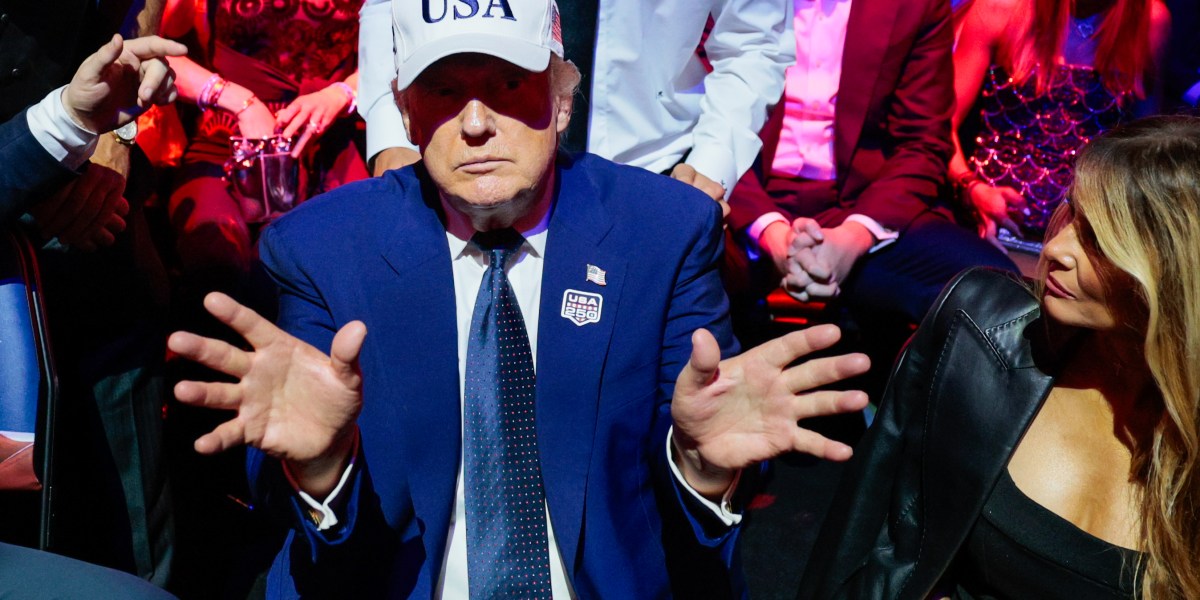
Oil prices eased even after President Donald Trump twice threatened to resume the war against Iran, a sign that traders are putting more weight on reports of diplomatic movement than on White House rhetoric. The market response matters because the Strait of Hormuz remains central to global energy flows and investor risk calculations.
Fortune reported that Brent crude fell to about $79 a barrel from $81 over the prior 24 hours. The decline came as Wall Street analysts reviewed comments from Iranian officials and mediators involved in talks in Switzerland, rather than treating Trump’s social media warnings as the main signal.
The BBC described the discussions as showing “encouraging progress,” while Bloomberg reported that Iran cited “major progress” after all-night talks with the United States. Fortune said analyst notes on Monday morning showed greater attention to those diplomatic signals than to Trump’s threats.
Hormuz remains the market’s focus
According to Fortune, the reported diplomatic steps include a communications channel intended to help ships move safely through the Strait of Hormuz. The talks also include a proposed “de-confliction cell” aimed at reducing fighting between Hezbollah and Israel, Fortune reported.
Bloomberg, cited by Fortune, reported that oil was still moving through Hormuz despite Iran saying the waterway was shut. The strait is a major transit route for global crude, and Fortune reported elsewhere in the same market briefing that it normally carries about 20% of the world’s oil.
That tension between political claims and physical flows helps explain the muted market reaction. If tankers keep moving and talks continue, traders have less reason to price in an immediate supply shock, even as the risk remains tied to military and diplomatic developments.
Markets show limited stress
Broader markets also showed little sign of panic in early trading, according to Fortune. S&P 500 futures were down 0.2% after the index rose 1.08% in its previous session.
In Europe, the Stoxx 600 slipped 0.14% in early trading, while the FTSE 100 was flat before lunch, Fortune reported. Asian markets were mostly higher, with Japan’s Nikkei 225 up 1.55%, South Korea’s KOSPI up 0.69%, India’s Nifty 50 up 0.48% and China’s CSI 300 up 2.39%.
Bitcoin traded at $64,100, according to Fortune’s market snapshot. The figures pointed to a pause after recent gains rather than a broad flight from risk.
China’s oil buying adds another layer
Fortune also cited Jeffrey Roach of LPL Financial, who said China’s crude imports by tanker dropped to 6.7 million barrels a day last month, nearly 40% below the 2025 average. Roach said the decline amounted to roughly 4 million barrels a day, comparable to the combined oil use of Germany and France.
Roach told Fortune that Beijing had reduced imports without clear economic damage. Fortune linked that drop in Chinese demand to the reason oil prices stayed below $100 for much of the Iran war, despite fears that disruption around Hormuz could send prices much higher.
ING’s Carsten Brzeski framed the diplomatic track as a possible route back to a less volatile economic outlook. In comments cited by Fortune, he said a successful memorandum of understanding between Iran and the United States could revive expectations for a gradually recovering global economy, lower inflation risks and central bank rate cuts.
This story draws on original reporting from Fortune.