
Nike beats estimates as World Cup tests turnaround plan
Nike topped Wall Street forecasts, while CEO Elliott Hill’s soccer push faces a high-profile test at the World Cup.
By Sofia Marchetti · World Affairs Correspondent
4 min read
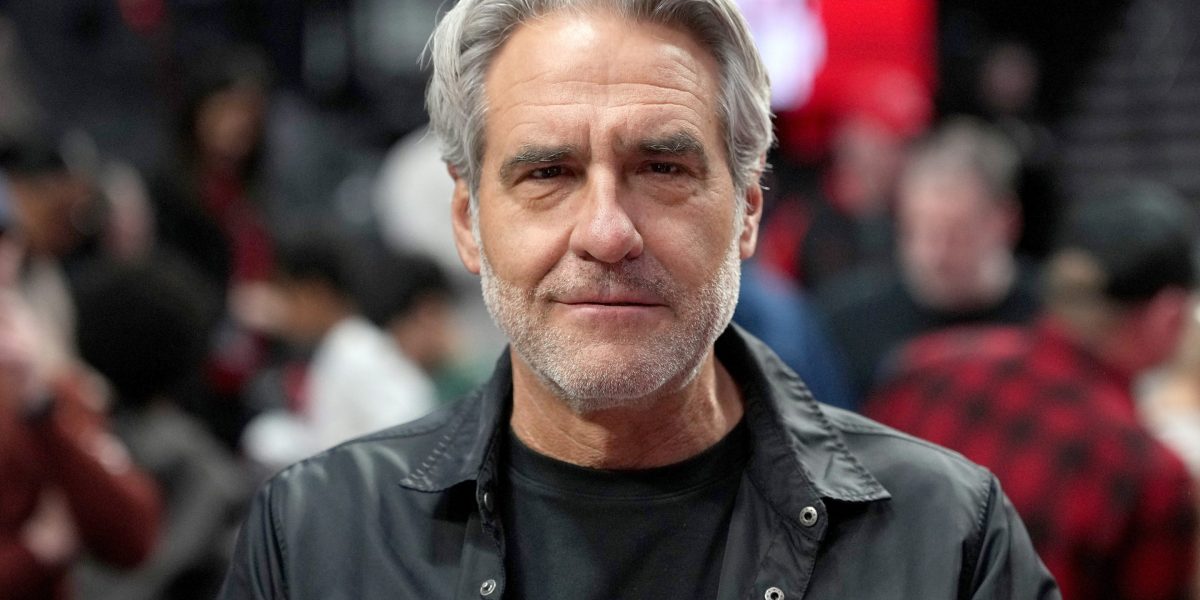
Nike’s latest quarterly results came in ahead of Wall Street forecasts, giving CEO Elliott Hill fresh evidence that his turnaround plan is gaining ground. The next test is playing out at the World Cup, where Nike is trying to turn soccer attention into stronger demand for its products.
Nike reported adjusted earnings of 20 cents a share, above the 13 cents analysts expected, Fortune reported. Revenue reached $10.97 billion, compared with expectations of $10.86 billion.
Fortune reported that a $986 million tariff refund helped lift Nike’s gross margin by 8.9% in the quarter, though analysts had excluded that benefit from their earnings estimates. The results marked a brighter report for a company that had been under pressure from falling sales, weaker margins and lower earnings per share.
Hill’s retail reset
Nike brought Hill, a longtime company executive, out of retirement nearly two years ago to lead a reset after strained ties with athletes and retail partners, Fortune reported. Hill has described his plan as a “sport offense,” built around a sharper focus on specific sports and athletes.
Hill’s predecessor, John Donahoe, had pushed harder into direct-to-consumer sales and digital channels. Hill later said, according to Retail Dive, that the approach made Nike’s partners feel the company had “turned our back on them.”
Fortune reported that Hill inherited negative 5% year-over-year revenue growth and that Nike’s earnings per share have fallen 56% since his first quarter as CEO in November 2024, to $1.51 a share. Operating income is down by half over that period, according to Fortune.
At a May 2026 event at UC Berkeley’s Haas School, Hill said Nike was shifting from designing around categories such as women, men and kids to a more sport-led model. He told the Financial Times that the restructuring was taking longer than he had expected, adding: “Job’s not done until the job’s done.”
Fortune reported that Nike’s North American revenue growth has improved by 15 percentage points from its low point under Donahoe. That region was the clearest sign of progress in the latest report.
World Cup stakes
Soccer is a major piece of Hill’s plan. On Nike’s March earnings call, he pointed to new Mercurial footwear, Tiempo cleats and Aero FIT national team kits, and said the company was using the World Cup to energize the football market for future quarters.
Adidas is an official FIFA partner, while Nike supplies kits for 12 teams and is competing through advertising, Fortune reported. Nike’s World Cup marketing features Cristiano Ronaldo, Kylian Mbappe and LeBron James, while Adidas has used Lionel Messi in its campaign.
Adweek reported that Nike also added Kim Kardashian and K-pop star Lisa to its “Rip the Script” campaign. Fortune reported that the Nike campaign had more than 78 million views in the past month, compared with 7.8 million for Adidas.
Morningstar senior equity analyst David Swartz told Fortune that Nike’s World Cup spending reflects the event’s importance as both a sales opportunity and a brand platform. He said fans buy jerseys tied to national teams and favored players, and that the tournament gives Nike a chance to regain visibility in sportswear.
China remains a problem
Swartz told Fortune that Nike’s bigger long-term challenge is China, where the company has been losing ground to Chinese sportswear company Anta. Fortune reported that Nike’s China results were weak but in line with expectations.
Fortune reported that Nike’s China revenue fell from more than $7 billion when Hill began to $6 billion as of February’s quarterly data, and is projected to decline to $5.5 billion through August because of competition and excess inventory.
Swartz said Nike’s China profitability has “just collapsed,” calling it a major problem because China had historically been the company’s highest-margin region. He told Fortune investors are focused on how long Nike will need to revive that business.
Swartz also told Fortune that Nike needs more full-price sales and less discounting to rebuild margins. He said retailers in China have struggled to sell Nike merchandise even at lower prices, leaving older inventory on shelves that could otherwise hold new products.
This story draws on original reporting from Fortune.