
New homes shrink as builders cut wasted space to lower costs
NewHomeSource says most large U.S. housing markets have seen new homes get smaller since 2019, even as prices have climbed.
By Maya Lindqvist · Senior Technology Correspondent
3 min read
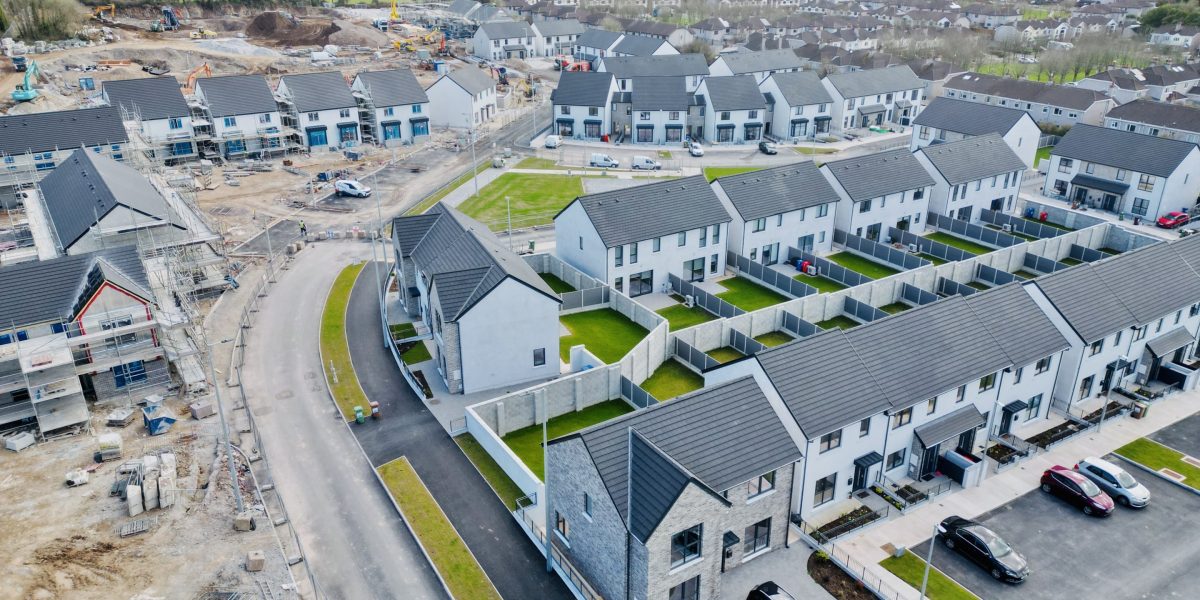
Newly built U.S. homes are getting smaller while buyers are paying more, according to data from NewHomeSource. The shift shows how builders and buyers are adjusting to high prices, elevated mortgage rates and construction pressures.
The average new home now measures 2,175 square feet, down 5.6% from its February 2019 peak, NewHomeSource said in a report shared with Fortune. That decline equals about 125 square feet, roughly the space of a small office or extra bedroom.
More than 80% of the 50 largest housing markets recorded a drop in average new-home size from 2019 to 2025, according to NewHomeSource. Prices moved the other way: Harvard’s Joint Center for Housing Studies said the median price of a single-family home rose nearly 48% from 2019 to 2024.
Ali Wolf, chief economist at Zonda and NewHomeSource, told Fortune that the data runs against the common complaint that builders are focused on oversized homes. She said square footage has become one of the easiest parts of a home for builders to adjust when prices and rates limit what buyers can afford.
Entry-level buyers face the hardest trade-off
Wolf said demand from first-time and entry-level buyers is pushing builders toward smaller, lower-priced houses. Those buyers are also among the most squeezed by current market conditions, because home prices and borrowing costs remain high compared with the pandemic period.
Builders face pressure of their own, including higher material costs, labor shortages and slower sales, according to Fortune’s reporting on Wolf’s comments. Wolf said homes priced at $350,000 or less once accounted for 42% of new homes built, but now make up about 21%.
Smaller homes do not necessarily mean weaker designs. Wolf told Fortune that builders are working more closely with architecture firms to remove unused space and improve layouts instead of just cutting room sizes.
John Burns Research & Consulting described a similar design shift in 2024, pointing to fewer hallways and more flexible areas inside new homes. Its residential architecture and design survey said designers were fitting functional rooms together more tightly and reducing circulation space that does not serve a clear purpose.
Texas and Southeast markets lead the size declines
The pullback in home size has been most pronounced in parts of the Southeast and Texas, according to NewHomeSource. Charlotte and Raleigh each saw average new-home sizes fall by about 10%, or around 250 square feet, since 2019.
Wolf told Fortune that Houston and Dallas, once known for large new houses, are now among the markets with some of the biggest declines. She said builders in Florida and Texas are paying more attention to California-style design approaches they once dismissed because California faced tighter building limits and heavier regulation.
The trend is not nationwide in the same way. NewHomeSource said only nine of the top 50 markets posted average size increases, with nearly all of them on the coasts. New York had the largest gain at 11%, which the report linked to buyers with more equity, higher incomes and less dependence on financing.
Incentives help builders sell smaller homes
Wolf told Fortune that smaller floor plans alone do not fix the affordability problem. Builders are also using incentives to bring buyers in, including mortgage-rate buydowns, closing-cost assistance, appliances, design credits and, in some cases, a swimming pool.
She said the burden of those incentives generally falls on builders because demand has been slow. For first-time buyers, a smaller new home with incentives can offer a path into ownership, though Wolf warned that buyers using a temporary rate buydown could feel stuck if interest rates remain high when the lower rate expires.
This story draws on original reporting from Fortune.