
Markets rise as Trump signals Iran deal framework is over
U.S.-Iran fighting intensified, but major stock indexes recovered as oil slipped and retail buying supported equities, according to market analysts.
By Daniel Okafor · Business Editor
3 min read
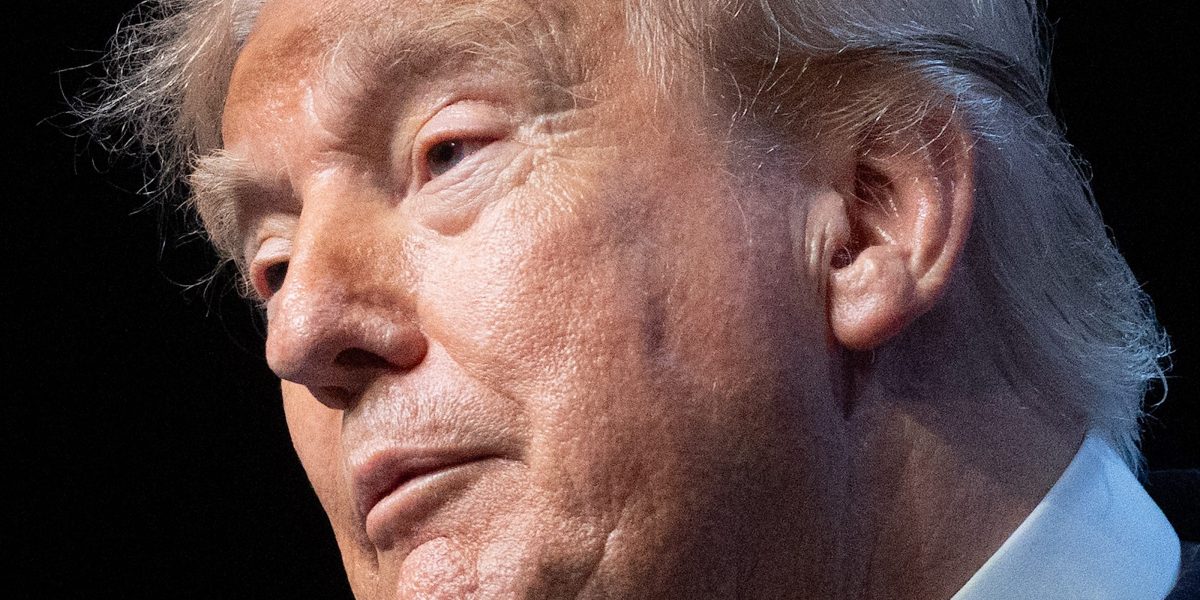
President Donald Trump signaled that a proposed framework for ending the conflict with Iran has largely collapsed, while U.S. and Iranian strikes continued for a second day, according to reports from the BBC, The Wall Street Journal and Fortune. The renewed fighting has put oil, interest rates and supply chains back under pressure, though investors showed little sign of panic in early trading.
Fortune reported that the U.S. military struck 90 targets in Iran overnight after Iranian attacks on U.S. sites in the Gulf region. The publication said the latest action brought the U.S. total to 170 strikes on Iran over two days.
Iran said it had aimed attacks at U.S. bases in Qatar, Kuwait and Bahrain, according to Fortune. The exchanges followed Iranian strikes a day earlier on U.S. military sites in the Gulf that Fortune said triggered a selloff in global equities and a rise in oil prices.
Trump casts doubt on talks
Trump said on social media that the U.S. strikes were retaliation for Iran’s bombing of ships and warned that any repeat attack would bring a harsher response. At the NATO summit in Turkey, Trump said Iran wanted a deal but questioned whether talks were worthwhile, the BBC reported.
The Wall Street Journal reported that Trump had largely moved away from the memorandum of understanding intended to serve as a basis for ending the conflict. The Journal quoted Trump as saying he believed the effort was over and that he did not want to deal with Iranian officials.
Ryan Sweet, chief global economist at Oxford Economics, warned that a failed peace deal could have effects beyond energy markets. Fortune quoted Sweet as saying a break in the agreement could push up oil prices, add strain to Asian AI supply chains, keep central banks hawkish, tighten financial conditions and affect the U.S. midterm elections.
Stocks rebound despite the fighting
Markets recovered some of their prior losses even as the conflict intensified, according to Fortune’s market summary. S&P 500 futures were up 0.24% after the index fell 0.28% the previous day.
In Europe, the Stoxx 600 rose 0.32% in early trading, while Britain’s FTSE 100 was down 0.45% before lunch, Fortune reported. Asian markets were stronger, with South Korea’s KOSPI up 0.62%, Japan’s Nikkei 225 up 1.38%, India’s Nifty 50 up 0.77% and China’s CSI 300 up 2.54%.
J.P. Morgan’s Arun Jain attributed the resilience in equities to renewed retail investor buying, according to Fortune. Jain said in an email that individual traders bought a net $8.9 billion of stocks in the week through July 8, above an average of $6.8 billion.
Oil falls as Hormuz traffic drops
Oil did not extend its prior spike, despite the renewed attacks and lower ship traffic through the Strait of Hormuz. Fortune reported that Brent crude traded at $77 a barrel in the morning, down from a high of $80 the previous day.
Fortune also reported that ship traffic in the Strait of Hormuz had fallen back to single digits. Bitcoin rose to $62,800, according to the same market update.
The mixed reaction left investors balancing a wider Middle East conflict against continued demand for risk assets. For now, Fortune’s market data showed traders treating the escalation as serious but not enough to halt the rebound in stocks.
This story draws on original reporting from Fortune.