
LAPD renegotiates Flock camera deal after privacy concerns
The department let its Flock Safety agreement lapse, then said it is working on a new deal with tighter controls over plate-reader data.
By Daniel Okafor · Business Editor
4 min read
The Los Angeles Police Department is working on revised terms with Flock Safety after allowing its agreement with the license plate reader company to expire over privacy and data-control concerns. The talks matter because LAPD has been one of Flock’s largest government customers and the company’s camera network has drawn scrutiny in cities across the U.S.
LAPD confirmed to Fortune that it is renegotiating with Flock, which operates 138 cameras in Los Angeles. The city signed a memorandum of understanding with the company in 2023, and that agreement expired in June without renewal, according to Fortune.
Flock’s systems use optical character recognition to read license plates. Police departments have used the technology to help find stolen cars, locate missing people and generate leads in criminal investigations, according to LAPD officials cited by Fortune.
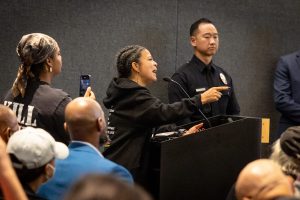
Police Chief Jim McDonnell told the Los Angeles Police Commission on Tuesday that automated license plate readers can help investigators locate violent offenders and identify stolen vehicles. He also said the department must ensure any technology it uses has strong protections for privacy and information security.
LAPD said last week that it would not immediately renew the Flock agreement because of concerns about ownership of the data and who can access it. The department also has agreements to use automated license plate reader data from Axon and Motorola, according to Fortune.
Dean Gialamas, LAPD’s chief information officer, told ABC7 the agreement was not renewed because of “serious concerns around civil liberties and civil rights issues,” especially privacy and camera data. He said LAPD would stop using Flock services until data, privacy, security and sharing issues could be addressed in a contract.
Under the lapse, LAPD no longer has access to data collected by Flock, Fortune reported. The data is stored in the cloud and would be available again to LAPD staff if the city reaches a new agreement.
A new contract would give the department ownership of all data and metadata collected by Flock cameras, according to Fortune. It also would bar Flock from giving that information to another entity or using it to train artificial intelligence.
A Flock spokesperson told Fortune the lapse came as a surprise and said the company wants to continue working with LAPD. The spokesperson said Flock believes discussions with the department can resolve what the company called misconceptions behind the pause.
Other cities have challenged Flock’s data practices
Los Angeles is among many U.S. cities that have stopped using Flock cameras in the past year, Fortune reported. The company has faced growing allegations that its systems pose privacy risks, including claims tied to immigration enforcement access to data.
In Dayton, Ohio, officials covered all 72 of the city’s Flock cameras with black trash bags last month after local police found more than 7,000 immigration enforcement-related searches by outside entities on Flock data, according to Fortune. The cameras were already offline after the city ended Flock services, but officials covered them to ease community concerns.
Evanston, Illinois, also halted Flock camera use after Illinois Secretary of State Alexi Giannoulias alleged the company violated state law by giving U.S. Customs and Border Protection access to cameras through a pilot program, Fortune reported. In Oxnard, California, a city audit found Flock enabled a “nationwide query” that let outside agencies reach police department data without the city’s approval or knowledge, despite security settings meant to prevent that access.
Flock has denied having contracts with ICE or other immigration authorities, according to Fortune. The company has said customers can provide data access to certain agencies depending on local or state law, and LAPD said its Flock data was not used to assist ICE.
Tom Bowman, policy counsel for the Center for Democracy and Technology’s Security and Surveillance Project, told Fortune that license plate readers have existed for years but drew more attention after increased ICE activity around the country. Bowman has called for tighter rules, including limits on data retention and data sharing.
This story draws on original reporting from Fortune.