
Iran’s postwar economy faces soaring food prices and unrest risk
Official figures and outside forecasts point to severe strain after war, with food inflation, joblessness and poverty pressures rising.
By Sofia Marchetti · World Affairs Correspondent
3 min read
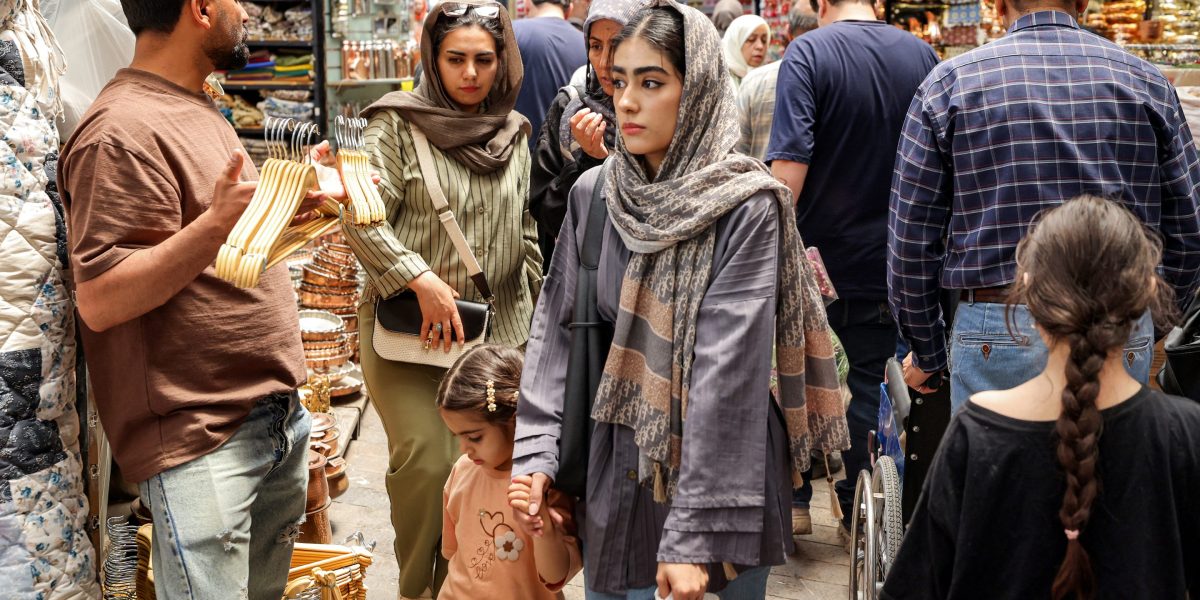
Iran’s economy is under severe pressure after the U.S.-Israeli war, raising the risk that hardship could turn into broader unrest. Official Iranian data cited by Fortune show steep annual increases for staples, including cooking oil up 430%, eggs up 345%, rice up 287% and milk up 139%.
The strain predates the fighting. Fortune reported that before the war began more than three months ago, high inflation and a currency slide had helped fuel mass protests in late December.
Conditions have worsened since then, according to Fortune, with unemployment and consumer prices rising. Iran has put war damage at $270 billion, an amount Fortune described as nearly equal to the country’s gross domestic product.
The International Monetary Fund expects Iran’s economy to shrink 6.1% this year. The United Nations has warned that 4.1 million more Iranians could fall below the international poverty line.
Radio Free Europe’s Radio Farda reported this month on the pressure facing households in Tehran. One resident told the outlet that people who had considered themselves middle class were now destitute, and said he had sold furniture, appliances, carpets and other household goods to get by.
The same Tehran resident told Radio Farda he was unemployed and had started selling sandwiches on the subway. He also said his phone and electricity bills had risen fivefold.
Economists and analysts cited in the reports point to a mix of war damage, sanctions pressure and domestic policy choices. Fortune reported that Tehran’s economic management over decades had left the country vulnerable, and that a wartime internet blackout put more people out of work.
The U.S. naval blockade also reduced Iran’s oil income, putting pressure on foreign exchange reserves, Fortune reported. Capital Economics estimated in April that Iran’s reserves were sufficient to cover only three months of imports at prewar levels.
Javad Rahimpour, an Iran-based economist, told Radio Farda that households were drawing down savings and that economic anger was high. He said the immediate conditions for protests might not be present, but cautioned against reading that as public alignment with the state.
A government employee who had attended pro-regime rallies described growing frustration in an interview with The New York Times. He told the newspaper that his salary ran out by midmonth and that he had to buy groceries on credit, only to face higher prices when the bill came due.
“Everybody is angry over the economy and if the government doesn’t fix things, there will be trouble,” the employee told The New York Times.
Dennis Ross, a former U.S. diplomat, wrote in The Washington Post that Iran’s leaders now face pressure to answer for failures in providing for the public without relying on the war as an excuse. Ross argued that the government would likely try to rebuild its military and defense industry, pulling resources from a civilian economy already strained by water and electricity shortages.
Ross wrote that even with assistance, Tehran’s ability to contain domestic problems would remain limited and internal pressure would grow. He said that pressure might not bring down the government, but could produce a leader focused on domestic development, public outreach and less confrontation abroad.
This story draws on original reporting from Fortune.