
Iran officials warned blockade threatened economy and supplies
A New York Times report says warnings from Iran’s president and central bank helped secure approval for a Strait of Hormuz deal.
By Maya Lindqvist · Senior Technology Correspondent
3 min read
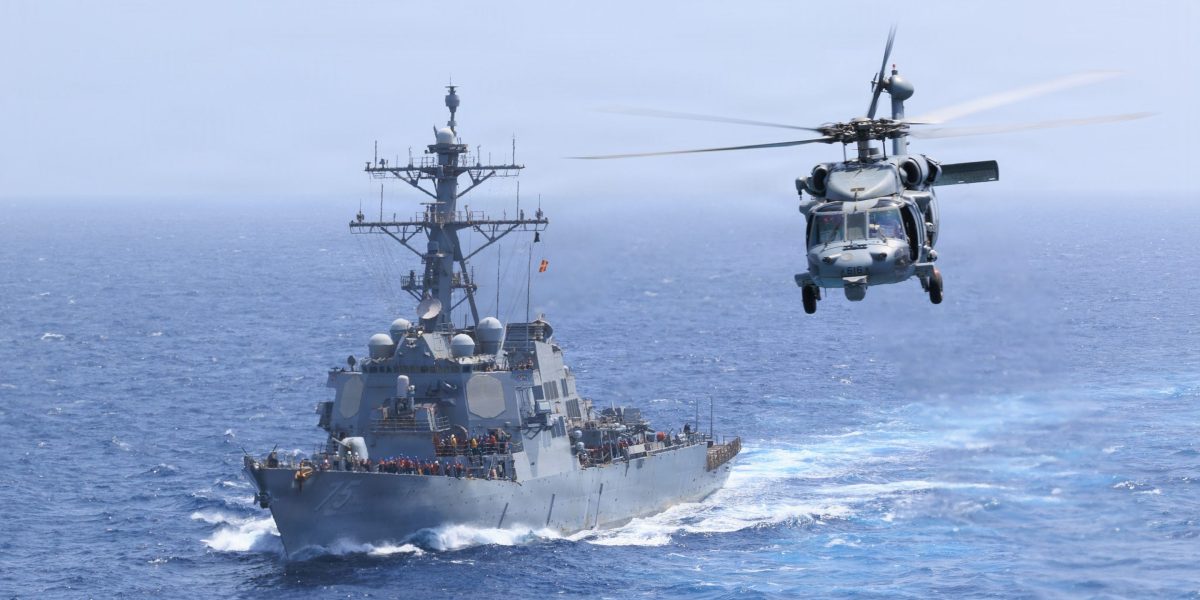
Senior Iranian officials warned Supreme Leader Ayatollah Mojtaba Khamenei that a U.S. naval blockade was straining Iran’s economy and threatening supplies, according to the New York Times. The account comes as President Donald Trump says he may restore the blockade amid renewed fighting around the Strait of Hormuz, a key route for global energy shipping.
The New York Times reported that Iranian leaders were divided as they considered a memorandum of understanding to reopen the strait and extend a ceasefire. Pragmatists backed the agreement, while hardliners wanted to keep fighting, the Times reported.
President Masoud Pezeshkian, described by the Times as part of the pragmatic camp, told Khamenei that the economy was in severe condition and that the blockade was doing serious damage, according to senior Iranian officials cited by the newspaper. The Times reported that Pezeshkian also said he would resign if the deal was not approved.
The head of Iran’s central bank separately warned Khamenei in a letter that the government faced a severe budget crisis, according to the Times. The letter said Iran could not move enough oil through alternative routes and could run short of critical food and medical supplies by late August if the blockade remained in place, the Times reported.
Those warnings helped persuade Khamenei to approve the memorandum, despite his stated opposition to it in principle, according to the Times. Fortune reported that Iran’s representative to the United Nations did not immediately respond to a request for comment.
Trump weighs blockade option
The U.S. and Iran have resumed military clashes over the Strait of Hormuz, according to Fortune. Tehran is trying to shut an alternate route along Oman’s coast that avoids a channel controlled by Iran’s government, Fortune reported.
Trump has said the ceasefire is over, while both countries remain in talks on a permanent peace agreement, according to Fortune. Ship traffic through the strait has fallen during the renewed fighting, particularly on the U.S.-backed route, Fortune reported.
Trump has restarted U.S. sanctions on Iranian oil sales and said he would consider restoring the naval blockade, according to Fortune. The earlier blockade, in place from mid-April to mid-June, redirected 139 ships and disabled nine, Fortune reported.
Blocking vessels carrying Iranian oil cut off a major source of revenue for Tehran and added pressure to an economy already weakened before the war began, according to Fortune.
Analysts see pressure campaign
Dan Alamariu, chief geopolitical strategist at Alpine Macro, wrote Wednesday that the U.S. could try to force open the strait militarily, according to Fortune. He said current U.S. operations suggest Washington may be preparing for that possibility.
Alamariu also said the U.S. could instead wear down Iran’s economy by restoring the blockade if the memorandum is not reaffirmed, Fortune reported. He predicted that some new deal is possible within one to two months, though he said the timing and risk of escalation remain uncertain.
Robin Brooks, a senior fellow at the Brookings Institution and an early supporter of a blockade, has argued that a second version could be tightened, according to Fortune. In a Substack post cited by Fortune, Brooks said the earlier blockade let empty oil tankers enter the Persian Gulf, allowing Iran to store crude it could not export.
Brooks wrote that a renewed blockade should bar empty tankers from entering the Gulf and could target storage tanks and export terminals, according to Fortune. He said those steps would make a second blockade more effective.
This story draws on original reporting from Fortune.