
Iran assets release and Hormuz fee talks complicate Gulf diplomacy
A U.S. official told AP that Qatar will release $6 billion for Iranian food purchases as diplomats dispute whether U.S.-Iran talks are planned.
By Sofia Marchetti · World Affairs Correspondent
3 min read
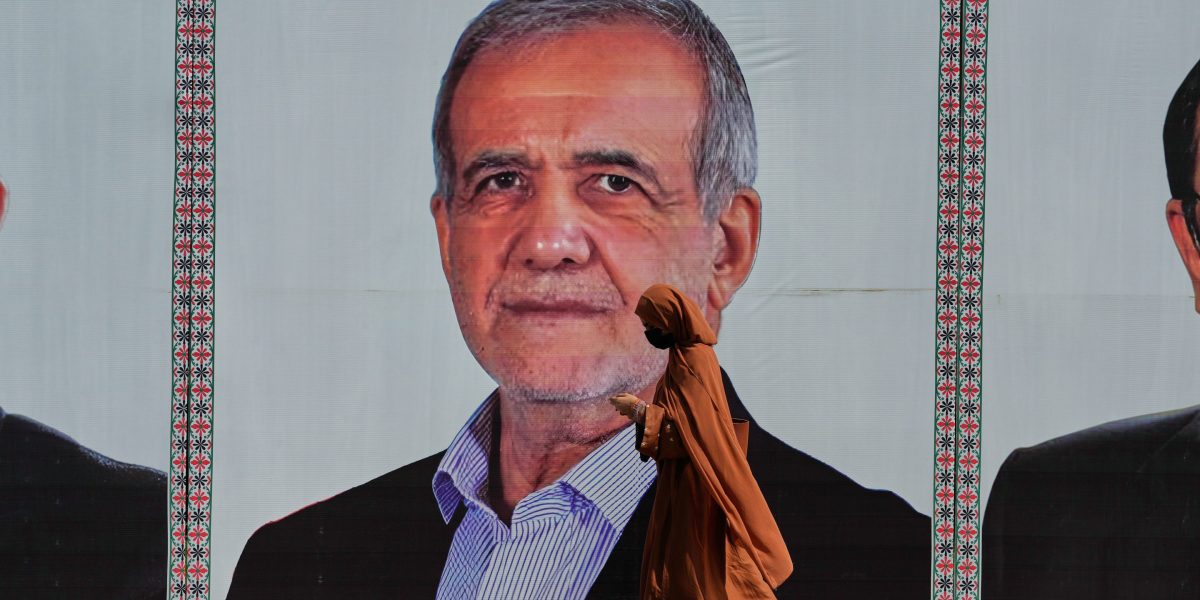
A U.S. official told The Associated Press that Qatar plans to release $6 billion in frozen Iranian assets for purchases of U.S. food products, adding a financial piece to efforts to keep an interim Iran-U.S. deal alive. The disclosure came as Washington and Tehran gave conflicting accounts of whether their delegations would meet this week in Qatar after new fighting around the Strait of Hormuz.
President Donald Trump said Monday that Iran had asked to meet U.S. officials and that talks were planned for Tuesday in Doha, AP reported. White House press secretary Karoline Leavitt told Fox News that special envoy Steve Witkoff and Jared Kushner were traveling to Qatar, while Pakistan, another mediator, said talks would resume Tuesday.
Iran publicly rejected that account. Kazem Gharibabadi, a senior Iranian negotiator, said in comments carried by Iranian state media that no talks had been confirmed, according to AP. Esmail Baghaei, Iran’s Foreign Ministry spokesman, said Tehran’s delegation was going to Qatar to discuss the release of frozen funds and other parts of the interim deal, not to meet U.S. representatives.
Iranian President Masoud Pezeshkian also announced the expected release of the funds Monday in remarks published by the state-run IRNA news agency, AP reported. Pezeshkian called the planned release a victory for Iranians.
Fragile pause after Strait of Hormuz strikes
The diplomacy follows a weekend of attacks in and around the Persian Gulf that tested an interim agreement reached earlier this month. AP reported that the deal requires Iran to dilute its enriched uranium stockpile, provides waivers for U.S.-backed sanctions, reopens the Strait of Hormuz and gives the sides 60 days to pursue broader arrangements.
The Strait of Hormuz is central to global energy trade. AP reported that about one-fifth of the world’s oil moved through the waterway before the war began, and that Iran’s attacks and threats during the conflict halted cargo and tanker traffic there, worsening an energy crisis.
In recent days, according to AP, Iran attacked vessels in the strait twice, including a tanker carrying Qatari crude, after moves to use Omani waters for traffic entering and leaving the Persian Gulf. The attacks drew U.S. airstrikes in response. Iran also launched drone and missile attacks aimed at Bahrain and Kuwait on Sunday, AP reported.
A U.S. official, speaking anonymously to AP because of the sensitivity of the talks, said the Trump administration believed Monday that both sides had halted the latest exchange of strikes and that vessels could again pass through the Strait of Hormuz.
Oman discusses service fees, rejects transit tolls
Oman’s foreign minister, Badr Albusaidi, said Monday that Oman and Iran are discussing possible service-related fees for commercial ships using the strait, AP reported. Albusaidi told Radio Monte Carlo during a visit to France that such services could cover water safety, pollution prevention, navigation support and emergency readiness for incidents such as fires.
Albusaidi said Oman does not support charging ships a transit fee to pass through the waterway, telling Radio Monte Carlo that such charges are barred under international rules and that Oman follows those rules, according to AP.
The strait also drew a dispute over mine-clearing. French President Emmanuel Macron said on X that France and others were coordinating mine-clearance efforts in the Strait of Hormuz, AP reported. Gharibabadi, Iran’s deputy foreign minister, warned France against what he called provocations and said on X that under the interim deal only Iran would conduct demining.
After Macron met Sultan Haitham bin Tariq of Oman in Paris, Oman and France issued a joint statement calling for free and unrestricted navigation in the strait, AP reported. The statement said both sides would work with stakeholders to support freedom of navigation and joint demining operations.
This story draws on original reporting from Fortune.