
Gulf business is retooling during regional turmoil, CEO says
Freedom Telecom International CEO Johannes Hummer says companies entering the Gulf now can gain from a period of repair and investment.
By Maya Lindqvist · Senior Technology Correspondent
3 min read
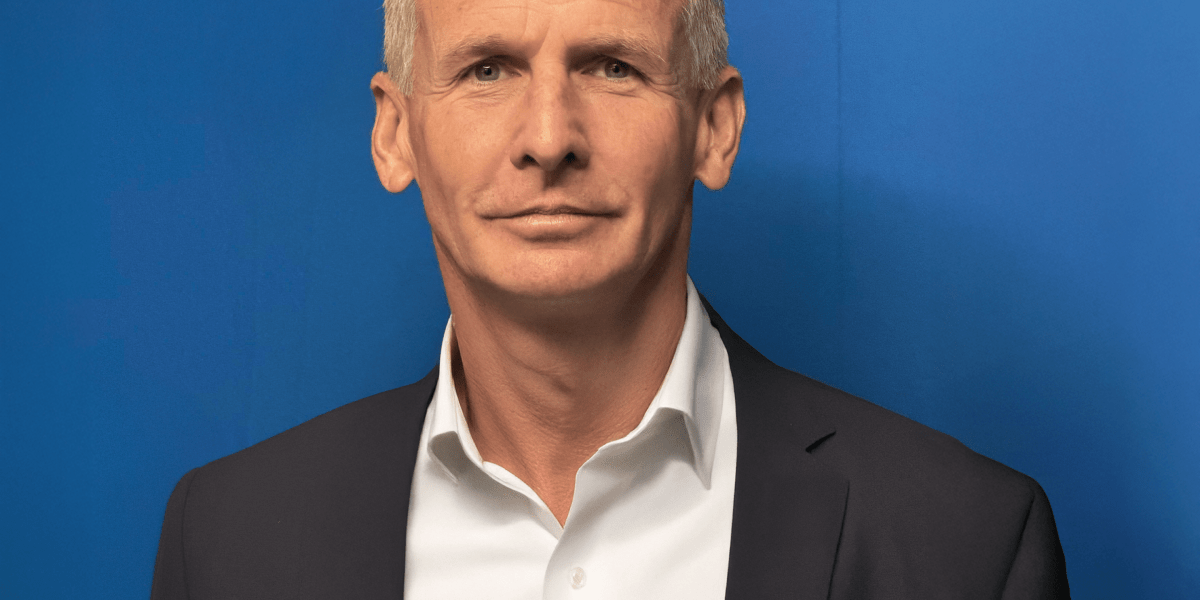
Johannes Hummer, the Dubai-based CEO of Freedom Telecom International, says Western companies should not read the Middle East’s current disruptions as a signal to pull back. In an interview with Fortune, Hummer said firms that build a presence in the Gulf during the slowdown may be better placed for the region’s next phase of growth.
The warning signs are visible. Fortune reported that the Strait of Hormuz has closed again and that a durable U.S.-Iran peace agreement remains out of reach. The International Air Transport Association said global airline profits have been cut in half this year, citing higher fuel prices and disruptions tied to conflict in the Middle East. UN Tourism data showed visitor arrivals to the region fell 14% in the first quarter.
Hummer told Fortune that the picture on the ground is less bleak than it looks from outside the region. He has worked from the Middle East for more than 10 years and previously led Vodafone’s Middle East and Africa business, according to Fortune.
Freedom Telecom International, part of Freedom Holding Corp., helps telecom operators add fintech services to their platforms, mainly in emerging markets, Fortune reported. Hummer said companies willing to keep investing now can send a clear message that they intend to be part of the Gulf’s growth.
Companies use the slowdown to repair and invest
Hummer pointed to a shift in how local businesses are responding to conflict-related pressure. According to Fortune, he said some hotels are taking advantage of reduced demand to carry out upgrades and deferred maintenance before the autumn season.
He also cited new infrastructure projects announced by the UAE government, which Fortune linked to a Construction Week report. Hummer said rapid growth had strained traffic and other systems, and that the quieter period has given the country room to improve capacity.
On security, Hummer told Fortune that the UAE reported 13 deaths after the effects of drone attacks earlier in the conflict, with no fatalities reported since late March. He used that point to argue that the business environment has stabilized more than many foreign executives may assume.
Dubai’s appeal goes beyond geography
Hummer said Dubai remains attractive as a base for companies hiring across cultures and expanding into Asia or Africa, according to Fortune. He also pointed to recent moves by Revolut and Nubank to shift headquarters to Dubai as signs that global fintech companies still see strategic value in the city.
He argued that the UAE is ahead of the United States in some public-facing digital services. As an example, Hummer told Fortune that residents can handle vehicle renewal, insurance, utility payments, bills and visa-related tasks through a single app.
Hummer said companies seeking to enter any national market are generally expected to establish a physical presence there. His advice to Western executives, as reported by Fortune, is that arriving during a downturn can show a stronger commitment than waiting until conditions look easier.
This story draws on original reporting from Fortune.