
Giorgos Tsetis’ 20% rule ties family-office profits to giving
Great Things allocates at least 20% of annual net realized profits to philanthropy, using a donor-advised fund to support pledges.
By Hana Yoshida · Markets Reporter
3 min read
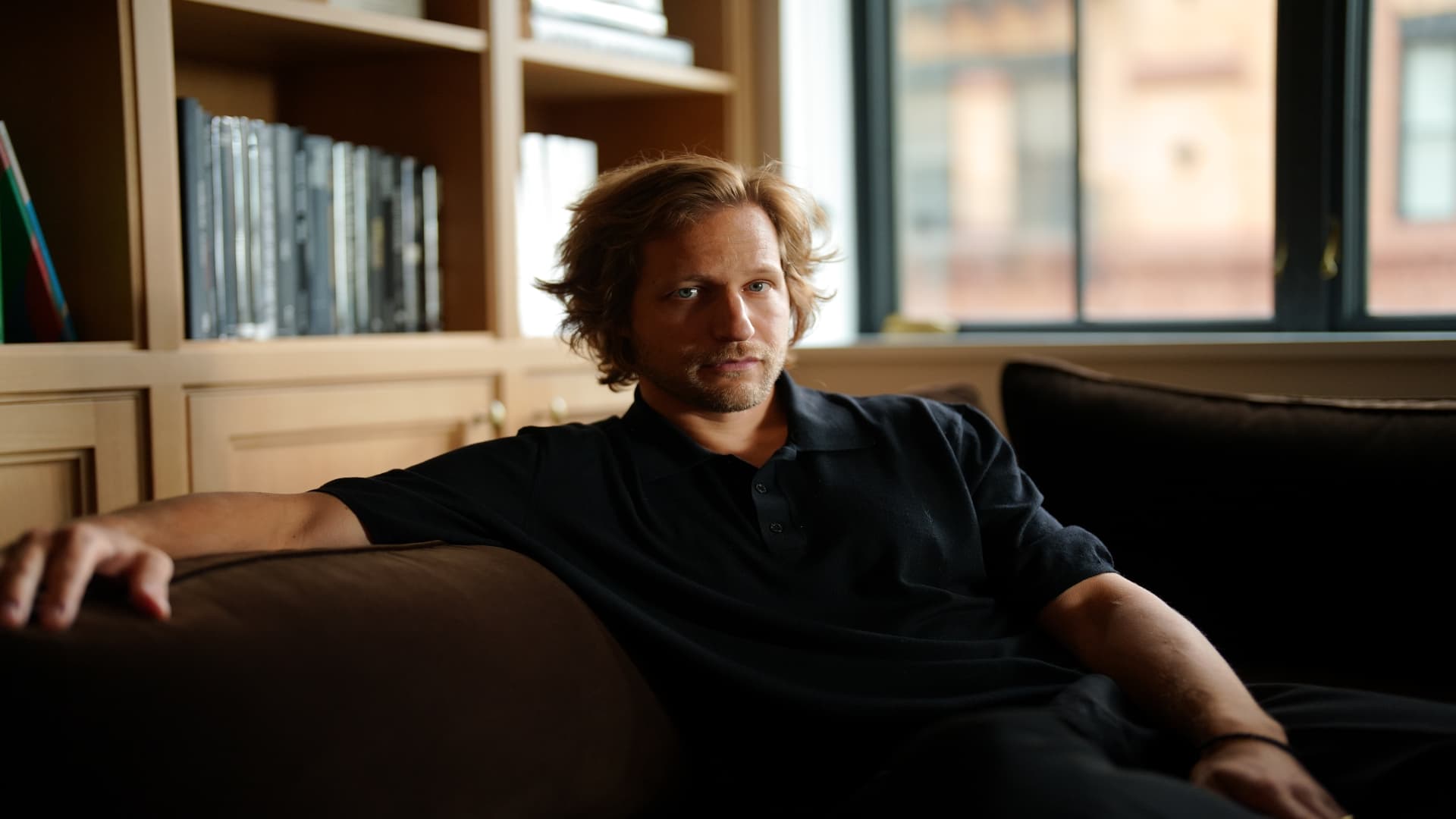
Giorgos Tsetis’ 20% rule requires his family office, Great Things, to allocate at least 20% of its annual net realized investment profits to philanthropy. The Nutrafol co-founder says the approach is meant to move charitable giving closer to the moment investment wealth is created, rather than leaving it as a later priority, CNBC reported.
The rule is tied to profits that have been realized, meaning gains that have been converted through an exit or sale. It does not mean Great Things gives away 20% of its assets, nor does it set the amount that must be committed from each individual investment.
How does Giorgos Tsetis’ 20% rule work?
Great Things makes charitable pledges that typically run for three to five years, CNBC reported. Tsetis’ donor-advised fund is intended to act as a buffer when investment profits in a given year do not cover the office’s charitable commitments.
Gabriel Cooperman, Tsetis’ financial adviser and a managing director at UBS Wealth Management who helped structure the office, told CNBC the formula draws on venture-capital and private-equity economics. He described it as adapting the profit-sharing mechanism used in those fields into a charitable-sharing arrangement.
A family office is a private organization that can manage a wealthy family’s investments, philanthropic activity and other affairs, according to the ACTEC Foundation. Its structure and services vary substantially, so Tsetis’ approach is his stated model rather than an established standard for the sector.
Investment returns underpin the giving model
Over the 18 months before CNBC’s report, Tsetis said Great Things had invested nearly $40 million and made about $7 million in nonprofit gifts and pledges. Those figures are separate from the standing 20% rule and do not show how much was generated or required by it.
Tsetis formally launched Great Things nearly a year before the report after selling his remaining Nutrafol stake to Unilever at a stated $3.5 billion valuation, CNBC reported. He said the office made a sevenfold return on Anthropic through a secondary exit over 18 months.
Tsetis and his partner, Roman Kalantari, make the investment decisions without outside investors, CNBC reported. That structure can allow rapid decisions, and Tsetis said he expects the firm to deploy another $60 million over two years if it maintains its current pace.
AI caution and the impact question
The pair have become more guarded on AI investments, with Tsetis saying Great Things is favoring later-stage rounds to seek liquidity. Kalantari told CNBC he expects some kind of AI slowdown or correction and said the office is looking for companies with durable propositions and their own technology.
The strategy also leaves an unresolved question about how returns and social goals fit together. CNBC reported that Great Things holds Polymarket and that Tsetis and Kalantari are still working out how to balance investments in technologies they view as promising with their broader impact commitment. CNBC also reported that applying a traditional impact-investing lens could make the model harder to scale.
This story draws on original reporting from CNBC.