
Gauntlet secures $125 million from SBI for DeFi risk business
The funding is Gauntlet’s largest since its 2018 founding and comes as SBI expands its digital-asset investments.
By Daniel Okafor · Business Editor
3 min read
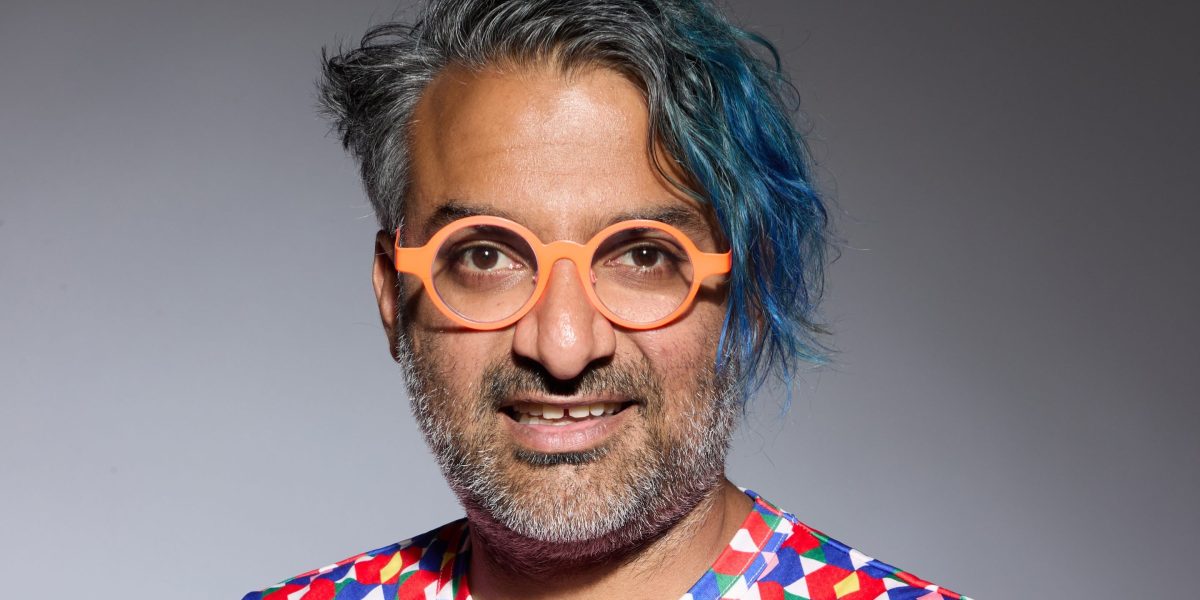
Gauntlet has raised $125 million from Japan’s SBI Holdings, giving the DeFi risk and asset-allocation startup its largest funding haul since it was founded in 2018. Founder and CEO Tarun Chitra disclosed the investment to Fortune, which reported that the deal underscores continuing institutional interest in crypto businesses despite weak token markets.
Chitra told Fortune the round closed in June and included no other investors. He did not disclose the company’s valuation.
The new financing is far larger than Gauntlet’s 2022 Series B, when the company raised nearly $24 million at a $1 billion valuation in a round led by Ribbit Capital, according to Fortune.
SBI expands its crypto bets
SBI Holdings, which separated from SoftBank in 1999 and now operates independently, is among the more active large financial investors in digital assets, Fortune reported. The company is valued at more than $10 billion on the Tokyo Stock Exchange and has taken stakes in crypto lender Morpho, blockchain company Ripple and stablecoin issuer Circle, according to Fortune.
Kefei Lin, a general manager at SBI, told Fortune the company expects to increase both investment and operating activity in the United States this year, citing clearer regulation and what he described as a pro-crypto and pro-innovation environment.
The investment comes during a period when major traditional finance firms have continued to pursue crypto-related projects, Fortune reported. In June, the owner of the New York Stock Exchange formed a joint venture with crypto exchange OKX; Citigroup introduced tokenized deposits; and Morgan Stanley added crypto trading to its online brokerage, according to Fortune.
From protocol testing to vault curation
Gauntlet began as an analytics provider for decentralized finance protocols, according to Fortune. DeFi projects often offer high yields while carrying substantial risk, and Gauntlet’s early work focused on testing how those systems might perform under stress.
Chitra previously worked as a quantitative finance specialist at D.E. Shaw Research and at trading firm Vatic Labs, Fortune reported. He applied that background to evaluating DeFi protocols, including helping developers identify vulnerabilities that attackers could exploit to drain funds from projects.
Gauntlet later worked with decentralized autonomous organizations, or DAOs, which crypto developers used to govern projects without putting control in the hands of a single central party, according to Fortune. Chitra told Fortune that by 2023 and 2024 it had become clearer that DAOs were inefficient for managing many DeFi assets.
The company then shifted more of its business toward what it calls vault curation, Fortune reported. These vaults resemble mutual funds: investors place digital assets into them in pursuit of yield, while the vaults use investment strategies without taking custody of the assets.
Gauntlet assesses the risks behind those yield strategies, including how rapid market changes could affect investors, according to Fortune. Chitra told Fortune the company moved from analyzing DeFi protocols to helping users put those protocols to work.
Gauntlet has 40 employees, Fortune reported. Its customers include Apollo, Coinbase and Circle.
This story draws on original reporting from Fortune.