
Experimental Alzheimer’s drug shows signs of slowing decline
Biogen plans a larger trial of diranersen after researchers reported early evidence that lowering tau production may slow Alzheimer’s progression.
By Hana Yoshida · Markets Reporter
4 min read
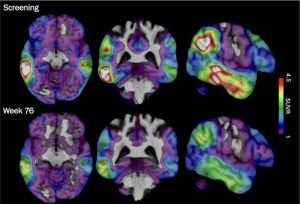
An experimental Alzheimer’s drug from Biogen showed early signs of slowing cognitive decline by reducing production of tau, a brain protein tied to the disease, researchers reported Tuesday. The findings matter because current approved treatments focus on amyloid, another Alzheimer’s-linked protein, and scientists have struggled for years to develop effective tau-targeting drugs.
Results from a study of about 400 people were presented at the Alzheimer’s Association International Conference in London. According to the researchers, Biogen’s diranersen lowered tau levels and showed signals of slower worsening on several measures of memory and thinking in people with mild cognitive impairment or mild Alzheimer’s disease.
Biogen is planning a larger trial to determine whether the drug can prove a clinical benefit, according to the report. Jessica Langbaum of the Banner Alzheimer’s Institute in Phoenix, who was not involved in the study, called the results promising if they are confirmed in further testing.
Dr. Reisa Sperling of Mass General Brigham, also not involved in the trial, cautioned that the work remains early. She said the findings could renew attention and funding for tau-based approaches, a field where prior efforts have fallen short.
How the drug works
Alzheimer’s affects more than 7 million Americans and tens of millions of people worldwide, according to the report. Researchers have not pinned down a single cause, but many scientists view amyloid plaques and tau tangles as central features of the disease.
Amyloid can begin accumulating in the brain many years before symptoms appear. Scientists cited in the report say amyloid buildup may help trigger abnormal tau, which forms tangles inside neurons and is more closely linked to symptoms.
Diranersen is an antisense oligonucleotide, a type of drug designed to change protein production. Dr. Cath Mummery of University College London, who led the study, said the treatment tells a tau-producing gene to make less tau, which could give the brain’s normal cleanup systems more room to clear abnormal tau.
Current anti-amyloid medicines, including lecanemab and donanemab, are delivered through infusions or injections into the bloodstream and have been shown to modestly slow decline. Diranersen is injected into the fluid around the spinal cord, giving it a more direct route toward the brain, according to the researchers.
Mixed trial result, encouraging signal
The study randomly assigned participants with mild cognitive impairment or mild Alzheimer’s to receive different diranersen doses or a placebo. Biogen and partner Ionis Pharmaceuticals said in May that the lowest dose, given every six months, showed the strongest effect.
That finding meant the study missed its planned goal of showing greater benefit from higher doses. Researchers still reported that five of six brain and cognitive tests showed people receiving diranersen continued to decline, though more slowly than those who received placebo injections.
Mummery said one test in the lowest-dose group showed a 26% reduction in cognitive decline, a change she described as roughly comparable to results seen in earlier amyloid-drug studies. Reported side effects included pain at the injection site and a temporary confused state that could begin days after treatment and last about a week, she said.
Researchers reported no signs of brain inflammation, a known risk with anti-amyloid drugs.
Other Alzheimer’s approaches advance
The University of California, San Francisco, has opened a study called the Alzheimer’s Tau Platform, funded by the National Institutes of Health, according to UCSF’s Dr. Adam Boxer. The project will test multiple experimental tau therapies, including combinations with existing amyloid treatments.
The first therapy in that platform is AADvac1, a vaccine intended to train the immune system to recognize a concerning part of the tau protein, Boxer said. The study is expected to expand to sites around the United States and include some people with Alzheimer’s-related protein buildup who do not yet have symptoms.
Researchers at the London meeting also described plans to study obicetrapib, an experimental cholesterol-lowering drug from NewAmsterdam Pharma, in people carrying APOE4, a gene linked to Alzheimer’s risk and cholesterol processing. Denali Therapeutics is also developing technology meant to help Alzheimer’s drugs cross the blood-brain barrier more efficiently, according to CEO Ryan Watts.
This story draws on original reporting from Fortune.