
Ebola deaths top 500 in Congo as aid cuts draw scrutiny
Health experts say USAID cuts have weakened outbreak response as Congo reports 1,561 Ebola cases and 506 deaths since mid-May.
By Sofia Marchetti · World Affairs Correspondent
3 min read
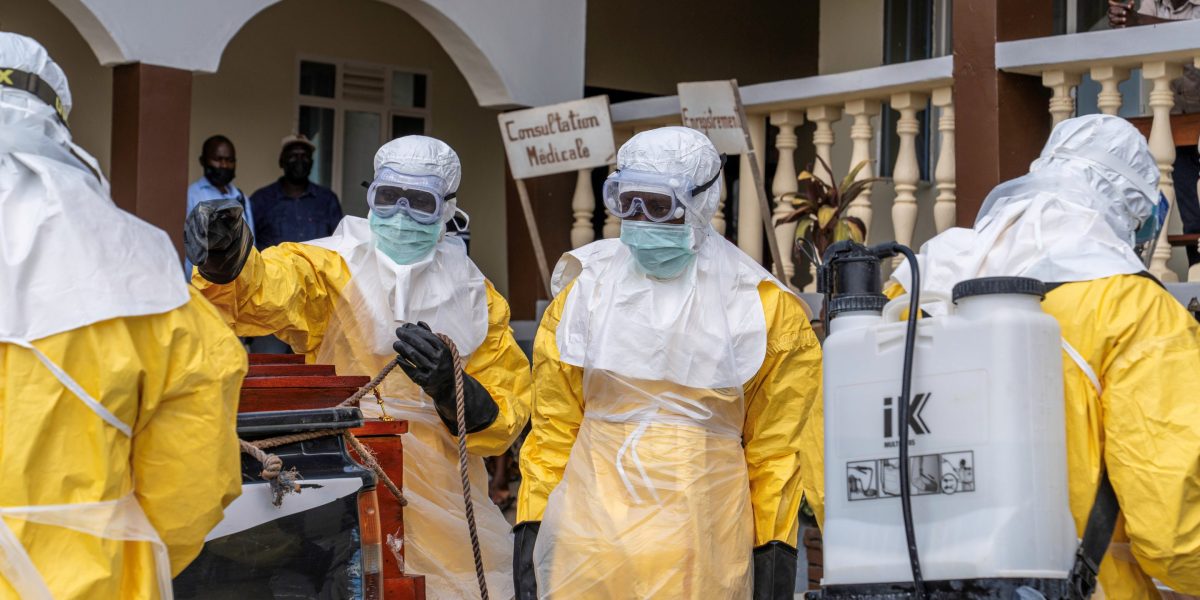
The Ebola outbreak in the Democratic Republic of Congo has killed more than 500 people, and health experts say reduced international aid has made the response harder. The country is battling a fast-moving outbreak while dealing with a weaker health system and fewer foreign-backed public health resources.
Congo’s Ministry of Health has recorded 1,561 Ebola cases and 506 deaths since officials declared the outbreak on May 15. The World Health Organization described the first month as the worst first month of an Ebola outbreak on record, and officials have faced another obstacle: the strain involved, Bundibugyo, lacks available treatments.
The International Rescue Committee, a humanitarian aid group, said earlier that cuts to global assistance had weakened health workers and emergency preparedness systems. The group said Congo’s health system is more fragile than it was during the 2018-2020 Ebola outbreak, which killed more than 2,000 people.
Bob Kitchen, the IRC’s vice president of emergencies, said conflict and funding cuts had hit at the wrong time. “The warning signs are flashing red,” Kitchen said in a statement, adding that “delays cost lives” and that the response now faces rising risks with fewer resources.
USAID’s role in past outbreaks
Experts have pointed to the Trump administration’s cuts to the U.S. Agency for International Development as a major factor in the reduced response capacity. In February 2025, the Department of Government Efficiency, an advisory group led by Elon Musk, helped cut USAID deeply, with about 83% of its programs eliminated, according to CNN.
DOGE officially ended on July 4, according to a post on X by former DOGE official Steven Kupor, but aid groups and public health experts say the effects of the cuts remain. Refugees International said total U.S. humanitarian funding fell from $14 billion in 2024 to $3.7 billion in 2025. An Impact Counter dashboard has estimated that foreign aid cuts over the past year have led to more than 750,000 preventable deaths.
Phuong Pham, an associate professor at the Harvard T.H. Chan School of Public Health, told Harvard that the U.S. had long been a leader in outbreak response, with USAID serving as the operational arm during health emergencies. She said USAID previously kept a standing presence in countries such as Congo, helped expand laboratory testing, trained health workers to spot Ebola symptoms and collect samples, and coordinated with groups including WHO and UNICEF.
Pham said USAID helped vaccinate more than 300,000 people during the 2018 Ebola outbreak. She said new emergency money can help, but it cannot replace the preparedness work that normally happens before an outbreak starts.
Emergency funding and political fallout
After the latest outbreak, the State Department said it would provide $23 million in emergency assistance to Congo and Uganda for Ebola containment and prevention. The department said the money would support 50 clinics for screening, isolation and treatment.
The White House also asked Congress last month for more than $1.4 billion to respond to Ebola, including $800 million for humanitarian response, Reuters reported. Pham said such support is needed and may save lives, but said emergency response does not fully replace sustained investment ahead of an outbreak.
Craig Spencer, an emergency physician and associate professor at the Brown University School of Public Health, wrote in a New York Times opinion essay that the effects of DOGE-related USAID cuts were already visible. Spencer said virus samples sent to a lab in Kinshasa arrived at the wrong temperature, an operational area he said USAID had previously overseen.
Musk has rejected claims that DOGE worsened the Ebola situation. In February 2025, he said DOGE had accidentally ended, then quickly restored, Ebola prevention funding and said there had been no disruption to programming.
Democratic Rep. Ro Khanna last month accused Musk and DOGE of causing millions of child deaths through cuts to USAID and other agencies. Musk disputed the charge on X, writing in response to one post that critics could not name anyone among the “millions” they claimed had died.
This story draws on original reporting from Fortune.