
Burry passes on SpaceX short after weighing pricey put options
Michael Burry said he considered betting against SpaceX after its IPO but is staying out for now, citing option prices and valuation concerns.
By Hana Yoshida · Markets Reporter
3 min read
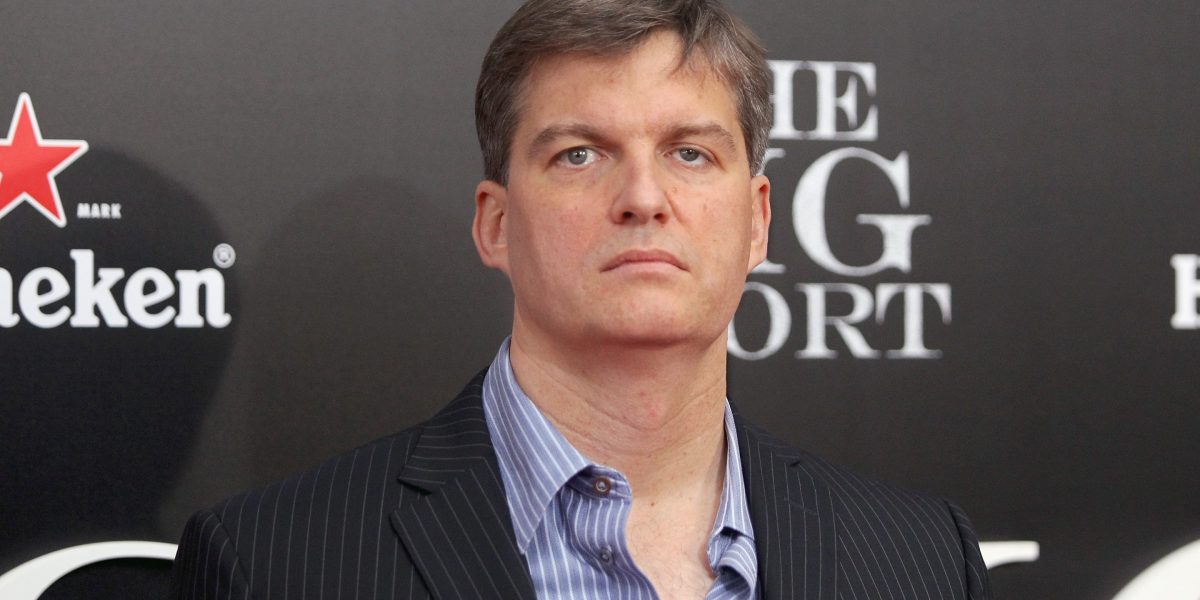
Michael Burry said he looked at ways to bet against SpaceX after the rocket and satellite company’s public debut, but decided not to take a position. His comments add a prominent skeptic’s voice to the debate over Elon Musk’s newly listed company, whose stock has climbed quickly since its IPO.
Fortune reported that SpaceX went public last week and that its shares have risen more than 25% since then. The company’s valuation has approached $3 trillion and briefly moved ahead of Amazon’s market value, according to Fortune.
Burry, known for predicting the housing-market collapse before the 2008 financial crisis, discussed the trade in a Tuesday Substack post cited by CNBC. He wrote that he was not currently involved with SpaceX “neither short nor, ahem, long.”
Burry questions the valuation
In the post, Burry said he reviewed put options, contracts that can gain value when a stock falls. He wrote, according to CNBC, that shorter-dated puts expiring in June 2027 were priced near $13 while SpaceX traded around $212, and that a December 2026 put cost about $6.75.
Burry said the December contract tempted him, but he passed. He also described SpaceX as “fundamentally a small space company, a niche telecom, a bedeviled social media company, and a Coreweave-light,” according to his Substack post cited by CNBC.
SpaceX’s IPO filings gave investors a look at the company’s finances before trading began. Fortune, citing the company’s S-1 filing with the Securities and Exchange Commission, reported that SpaceX posted full-year revenue of $18.7 billion in 2025, up roughly 33% from $14.1 billion in 2024.
The same filing showed rising losses, according to Fortune. As of March 31, SpaceX had an accumulated deficit of $41.3 billion and reported a first-quarter net loss of $4.27 billion, compared with a $528 million loss in the same quarter a year earlier.
IPO proceeds drew scrutiny
Fortune also reported on analysis by David Trainer of New Constructs that examined the planned use of IPO capital. Trainer found that $62.8 billion, or 78% of an expected $80 billion in proceeds, had already been assigned to insiders and vendors, according to Fortune.
Those planned payments included funds for third parties, Valor Equity Partners, Musk X Corp., xAI investors and Echostar for what the filing called the “Spectrum Acquisition Closing,” according to Fortune’s account of Trainer’s analysis and the S-1.
Any public short position against one of Musk’s companies could draw attention because Musk has publicly criticized investors who bet against Tesla. In a November post cited by Fortune, Musk said Microsoft co-founder Bill Gates should close what Musk called a “crazy” short position against Tesla if it remained open.
Fortune reported that the dispute between Musk and Gates dated to 2022, when Gates reportedly held a $500 million short position against Tesla. Gates later told Musk biographer Walter Isaacson that Musk responded with “super mean” behavior after learning of the trade, according to Fortune.
Burry has not said he has placed a bearish trade against SpaceX. For now, according to his Substack post cited by CNBC, he has studied the options market and chosen to stay on the sidelines.
This story draws on original reporting from Fortune.