
Brexit decade leaves Britain facing its seventh prime minister
Ten years after the EU referendum, the U.K. faces another leadership change as parties, voters and trade ties remain unsettled.
By Sofia Marchetti · World Affairs Correspondent
4 min read
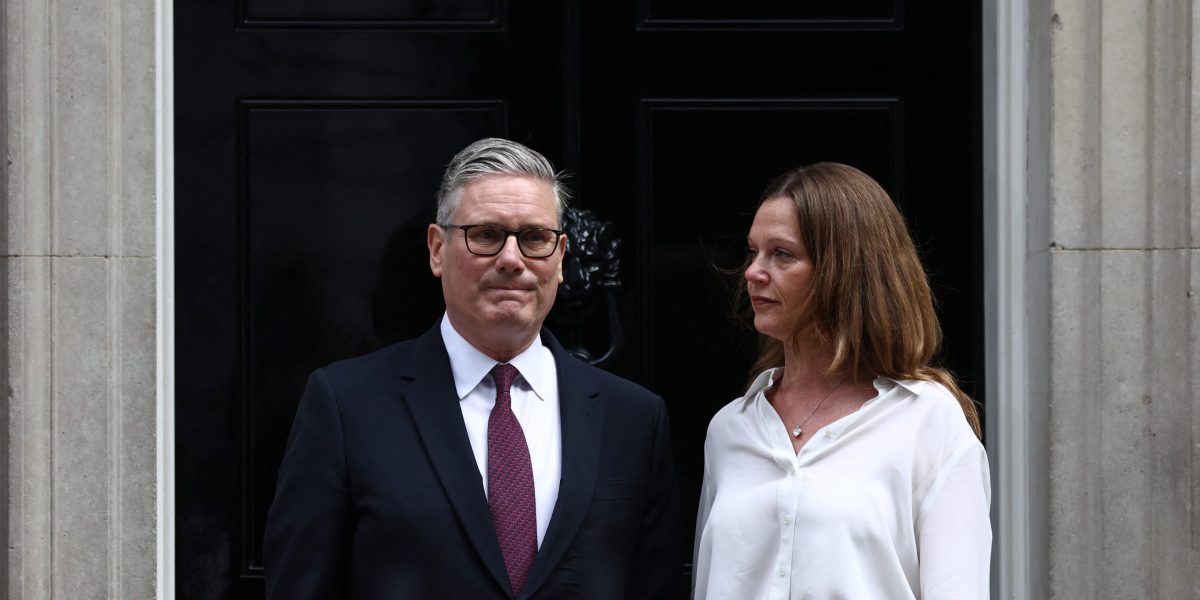
Britain is nearing its seventh prime minister since the 2016 vote to leave the European Union, after Keir Starmer said he would step down, the Associated Press reported. The churn underscores how a referendum meant to settle Britain’s argument over Europe instead reshaped its politics for a decade.
The U.K. voted 52% to 48% on June 23, 2016, to leave the EU after more than 40 years inside the bloc, according to the AP. David Cameron, the Conservative prime minister who called the vote and campaigned to remain, resigned the following day.
Starmer, a Labour prime minister, announced Monday that he would leave office after two years marked by weak growth, strained public services and voter frustration, the AP reported. Chris Grey, an academic who has studied Brexit’s effects, told the AP that the “subterranean trace of Brexit” still runs through British politics.
A campaign that captured discontent
Leave campaigners argued that quitting the EU would allow Britain to regain authority over its laws, economy and borders. The remain side focused on economic risk, while Brexit supporters made a broader appeal to sovereignty, immigration concerns and national identity, the AP reported.
Boris Johnson, then a leading leave campaigner and later prime minister, described Brexit shortly before the referendum as a rare opening toward a better future. Margaret MacMillan, emeritus professor of history at the University of Toronto, told the AP that the vote drew strength from opposition to immigration, hostility to EU rules and nostalgia for an “imagined past.”
MacMillan said voters were not clearly told what leaving the EU would involve. The years that followed brought difficult exit negotiations and arguments over how close Britain should remain to its largest nearby trading partners.
Leaders struggled with the settlement
Theresa May, who succeeded Cameron, resigned in 2019 after failing to get a Brexit deal through a divided Parliament, according to the AP. Johnson then took office promising to complete the process and secured a limited trade agreement after talks that left relations with the EU badly strained.
Johnson was removed by Conservative lawmakers in 2022 after financial and ethics scandals, the AP reported. Liz Truss replaced him but lasted 49 days, and Rishi Sunak later improved the tone of relations with Brussels without making major changes to the post-Brexit settlement.
Starmer promised to reset ties with the EU but ruled out rejoining the bloc’s tariff-free single market, according to the AP. His departure leaves Britain’s relationship with Europe as unfinished political business.
Parties and voters have shifted
Historian Anthony Seldon told Times Radio that Cameron had hoped a referendum would end Conservative infighting over Europe. Instead, pro-Brexit Conservatives strengthened their hold on the party, while those favoring a softer break lost influence during the withdrawal battles, the AP reported.
Labour also remains split between members who want closer ties with the EU, or renewed membership, and leaders wary of reopening the Brexit fight. Voters have moved away from the two main parties toward alternatives including the Green Party and Reform UK, the hard-right party led by Nigel Farage, according to the AP.
The AP reported that Farage has benefited politically from Brexit by arguing that the project was undermined after the vote. His anti-immigration message has shifted from EU migration to asylum seekers arriving by small boats, and Reform UK has led opinion polls.
Regret and mistrust linger
Britain’s economy has had a difficult decade, with companies facing more barriers to trade with the EU, though the AP noted that Brexit is not the only factor. The COVID-19 pandemic, the Russia-Ukraine war and the Iran war also contributed to low growth.
Hannah White, director of the Institute for Government, told the AP that politicians have not been candid about the limits they face on taxes, borrowing and public services. Public disappointment has fed mistrust, while immigration has remained a heated issue; net migration rose to more than 900,000 in 2023 before falling to 171,000 last year, according to the AP.
Polling now shows regret among many voters. A recent Ipsos survey found 52% of people in the U.K. favored rejoining the EU, while 33% were opposed, the AP reported. Hundreds marched in London on Saturday calling for Britain to rejoin, a far smaller turnout than the demonstrations held during the peak Brexit battles.
This story draws on original reporting from Fortune.