
Beef prices sit near records, but steak demand holds firm
U.S. shoppers are still buying beef for summer holidays despite tight cattle supplies and near-record prices for ground beef and steak.
By Sofia Marchetti · World Affairs Correspondent
3 min read
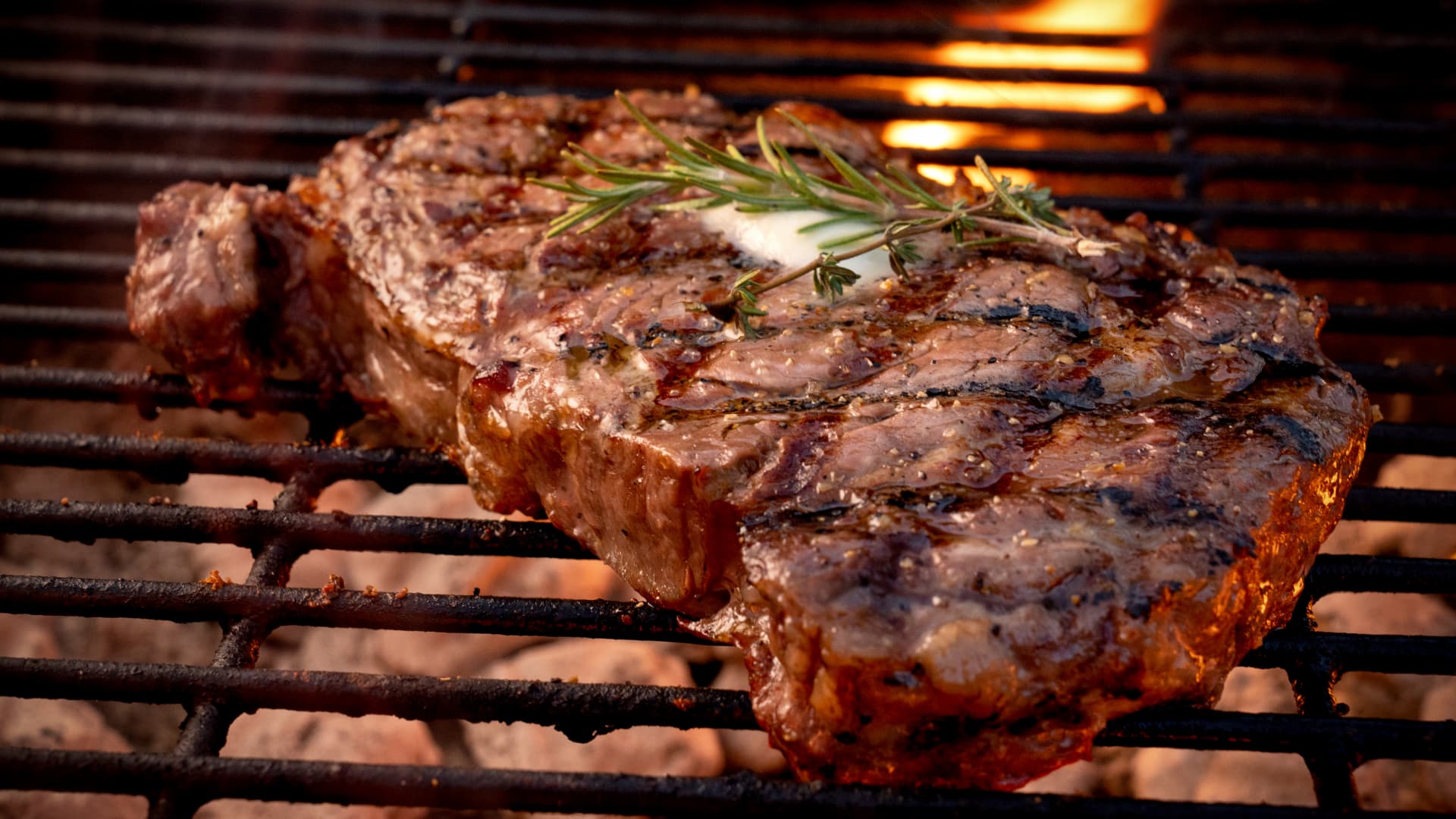
Americans are paying close to record prices for beef, but shoppers have not pulled away from steak and burgers heading into the Fourth of July. CNBC reported that tight cattle supplies have lifted grocery and restaurant prices while consumers continue to treat beef as a holiday staple and a premium purchase.
The pressure starts with the U.S. cattle herd, which CNBC said has fallen to its smallest level in decades after drought, expensive feed and herd reductions. That smaller supply has pushed cattle prices higher and has worked its way through to meat cases and menus.
Prices eased in May after setting records earlier in the spring, according to CNBC, but they remained high by historical standards. U.S. Bureau of Labor Statistics data cited by CNBC showed ground beef averaged $6.75 a pound in May, nearly 13% higher than a year earlier and just below April’s record of $6.90.
Steak prices were also near a peak. The Bureau of Labor Statistics data showed beef steak averaged $12.80 a pound in May, up 16% from the prior year and the second-highest level on record, according to CNBC.
Holiday demand stays strong
CNBC reported that beef sales have continued to rise ahead of Independence Day even as shoppers face higher prices. NielsenIQ data cited by CNBC showed beef posted the largest dollar increase of any food category before the holiday, with sales up about $352 million from last year.
NielsenIQ said in a June report that consumers were shopping with more discipline, making additional trips but buying with clearer intent. The firm’s data suggests shoppers are still choosing beef for celebrations while looking for savings in other parts of the grocery basket.
Kroger told CNBC that demand for steaks remained high and that shoppers were shifting toward more premium and organic choices. A Kroger spokesperson also told CNBC that beef remained a favored option during recent holidays, including Easter and Memorial Day.
Premium labels gain ground
NielsenIQ said many consumers see steak as an “affordable luxury” for special occasions, according to CNBC. Rather than trading only to the cheapest protein, shoppers have shown interest in quality and sourcing claims.
In NielsenIQ data cited by CNBC, shoppers reported stronger interest in USDA Prime at 42%, no added hormones at 40%, grass-fed at 37% and no antibiotics ever at 36% when buying meat. NielsenIQ said buyers were looking beyond the package label and paying more attention to the story behind the product.
The trend has extended beyond supermarkets. Omaha Steaks told CNBC that customers were still buying premium proteins as gifts while paying attention to value and versatility. The company said sales of its USDA certified tender top sirloin filet, a newer value cut, rose 25% in the weeks before Father’s Day compared with 2025.
Restaurants have also seen benefits, according to CNBC. Rick Cardenas, chief executive of Darden Restaurants, said LongHorn Steakhouse customers were responding to the chain’s steak quality and value, and that high beef inflation in the broader market made the restaurant’s relative value look better.
CNBC reported that investors are watching how long consumers will keep absorbing higher beef costs. Rebuilding the U.S. cattle herd could add supply and cool prices, but CNBC noted that the process can take years without more imported supply.
This story draws on original reporting from CNBC.