
Barkin says inflation is still too high, with some signs of easing
Richmond Fed President Tom Barkin told Bloomberg that inflation remains elevated, though falling gasoline prices may offer some relief.
By Hana Yoshida · Markets Reporter
3 min read
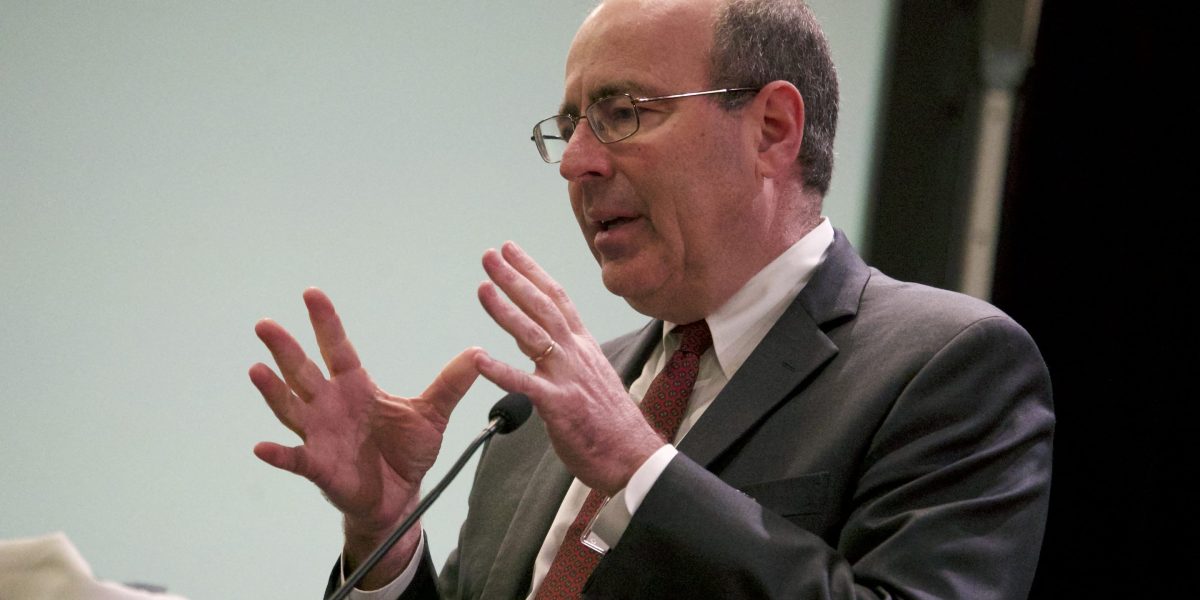
Richmond Federal Reserve President Tom Barkin said inflation remains too high, keeping pressure on the central bank as it weighs whether interest rates are restrictive enough. In a Sunday interview with Bloomberg at the Aspen Ideas Festival in Colorado, Barkin said some price pressures may be starting to ease, including gasoline costs in his district.
Barkin was responding after a report released Thursday showed the personal consumption expenditures index, the Fed’s preferred inflation gauge, rose 4.1% in the year through May. According to Bloomberg, that was the fastest pace since April 2023.
“Those numbers are too high,” Barkin told Bloomberg.
The inflation pickup has been tied in part to higher oil and goods prices following the war in Iran, Bloomberg reported. But the increase has extended beyond energy, raising concern inside the Fed that inflation may not return to the central bank’s 2% goal without more help from monetary policy, the labor market or another cooling force.
Barkin told Bloomberg it is difficult to be confident that inflation is on a path back to 2% without those added influences. He said he wants to see how the economy develops in the coming months before deciding what policy path makes sense.
Gasoline offers relief, but other costs remain
Barkin said he was encouraged by a quick drop in gasoline prices in the Richmond Fed district after oil prices fell following a ceasefire agreement between the U.S. and Iran. He also pointed to other inflationary forces, including spending on artificial intelligence infrastructure.
Fed officials held the benchmark federal funds rate steady at their meeting earlier this month, Bloomberg reported. A growing number of policymakers have warned that the Fed may have to raise rates this year if inflation continues to rise.
Some Fed officials have focused on services prices, Bloomberg reported, because inflation in that part of the economy can be harder to bring down. Officials also worry that more than five years of inflation running above the Fed’s 2% target could affect what consumers expect prices to do next, making the central bank’s job harder.
Barkin told Bloomberg that tariff-related pressure and the oil shock should now be fading, which could help inflation cool. At the same time, he said neither factor appeared to weaken consumer spending, which stayed strong over the past year.
That matters for inflation because U.S. growth depends heavily on consumer demand. Barkin suggested that strong spending could make it harder for the Fed to bring inflation fully back to target.
Businesses weigh prices and pay
Barkin also said business behavior could keep inflation elevated. He told Bloomberg that companies use current inflation when setting prices, creating some persistence in price increases.
“I do worry about that, and that’s part of why I think being modestly restrictive is a reasonable place to be,” Barkin said.
Companies are dealing with higher input costs, Barkin said, but consumers are pushing back against higher prices. That resistance is limiting how much businesses can pass on to customers.
After a recent visit to western Virginia, Barkin said business leaders told him they had not settled on employee pay plans for next year. He said some had considered larger-than-usual raises when gasoline prices climbed, but the easing in fuel costs may reduce that pressure.
This story draws on original reporting from Fortune.