
AutoCamp turns campers into investors as holiday demand rises
The outdoor hospitality brand says revenue and occupancy are rising while a crowdfunding campaign brings guests onto its shareholder rolls.
By Daniel Okafor · Business Editor
3 min read
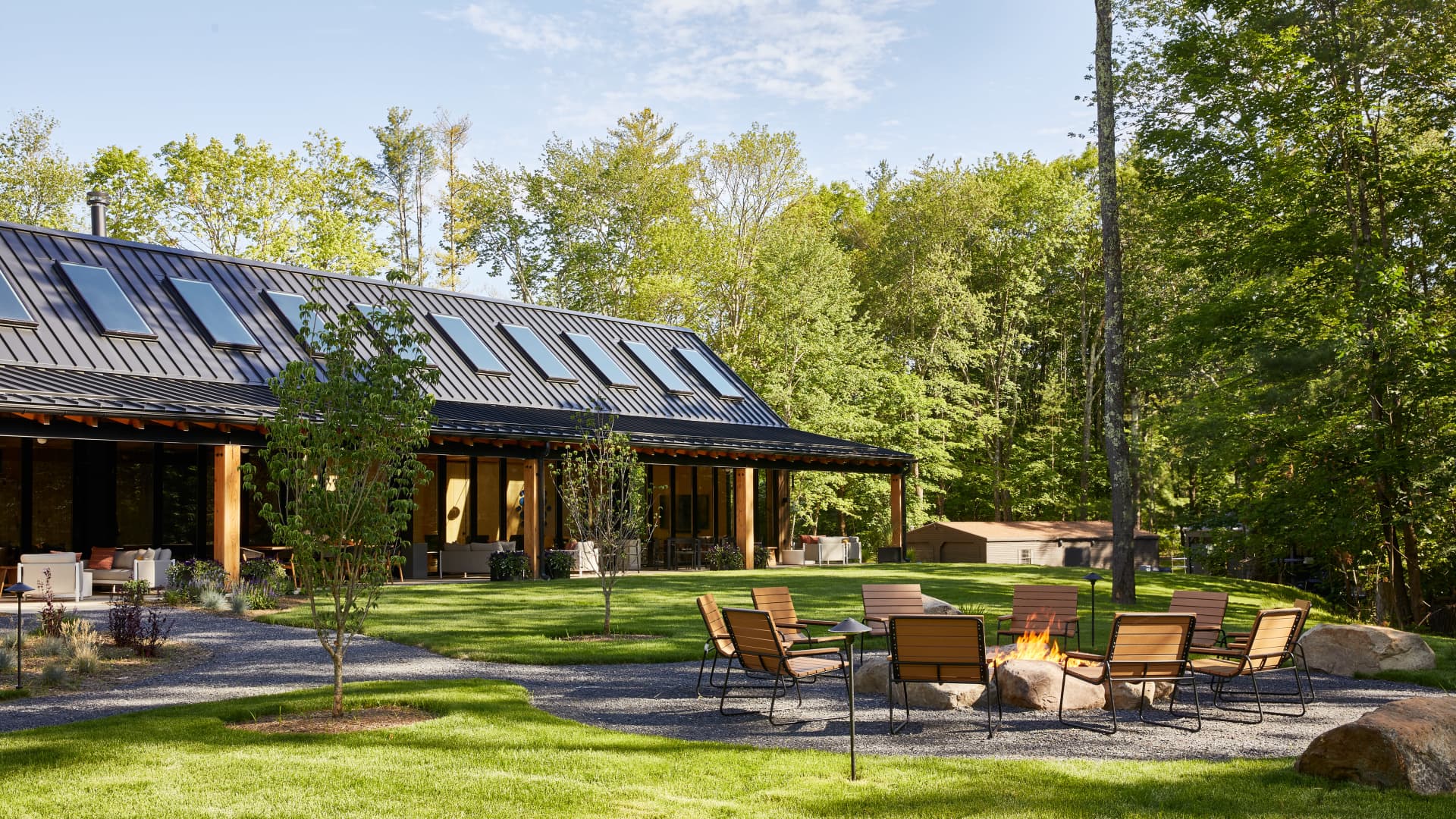
AutoCamp is heading into the July Fourth travel rush with stronger bookings and a new pitch to loyal customers: invest in the company. CNBC reported that the high-end camping brand is using demand for drive-to outdoor stays to support expansion while gas prices put pressure on travel budgets.
The company told CNBC its room revenue is running 20% above last year. AutoCamp also said its properties were 90% occupied ahead of the holiday weekend, with average daily room rates up 15%.
AutoCamp operates nine sites in the United States, including locations near Joshua Tree in California and Cape Cod in Massachusetts, according to CNBC. Its lodging mix includes Airstream suites, cabins, fire pits and designed amenities near outdoor destinations.
Bryan Terzi, AutoCamp’s chief commercial officer, told CNBC the company appeals to travelers who want an outdoor trip without hauling tents, grills and other gear. He said the experience connects family travel with memories people have of camping when they were younger.
Outdoor travel demand supports the pitch
CNBC reported that AutoCamp’s momentum comes as more travelers show interest in parks and nature trips. Airbnb said searches for stays “near a national park” rose 35% in 2026, and the company said nature and outdoor experiences are its most-booked experience category.
Hilton’s 2026 trends report said 37% of travelers named time in nature as a top reason for traveling. Hilton, which has a partnership with AutoCamp, said direct bookings for AutoCamp through its platform increased 30%, with nearly half of those bookings made using Hilton Honors points, according to CNBC.
Guests become shareholders
AutoCamp is also raising money from customers through the DealMaker crowdfunding platform. DealMaker said AutoCamp raised $1.2 million in less than 30 days from 353 investors, many of them former guests, and described the campaign as one of its fastest raises with strong early interest.
CNBC reported that the campaign fits a broader move by hospitality companies toward investment crowdfunding and fractional-style ownership. Overthrow Hospitality, a plant-based food and beverage company, raised nearly $1 million from 403 investors through StartEngine, while MAF Hospitality offers investment opportunities through Wefunder.
Rebecca Kacaba, DealMaker’s chief executive and co-founder, told CNBC that crowdfunding can work for brands with strong customer followings, including sports, media, entertainment and consumer companies. She said retail investors are drawn to businesses they have used and understand through their own experience.
The U.S. Securities and Exchange Commission allows regulated crowdfunding of as much as $5 million a year through an SEC-registered platform. CNBC noted that investment materials carry standard risk warnings, including that the securities can be speculative, hard to value and difficult to sell.
Wefunder’s investor warning says startups may either succeed at a large scale or go bankrupt, and that investors could lose their entire investment. CNBC reported that hospitality crowdfunding offers can also include guest benefits; AutoCamp’s current $10,000 investment tier includes bonus shares and a $400 booking-platform gift card.
Terzi told CNBC that AutoCamp sees more than capital in the fundraising effort. He said guests who invest may also recommend the brand to friends after staying with the company and buying into its growth.
This story draws on original reporting from CNBC.