
AI hardware boom turns cargo theft into a richer target
Thieves are targeting chips, servers and data center gear as AI demand lifts shipment values and strains supply chains, security firms say.
By Hana Yoshida · Markets Reporter
3 min read
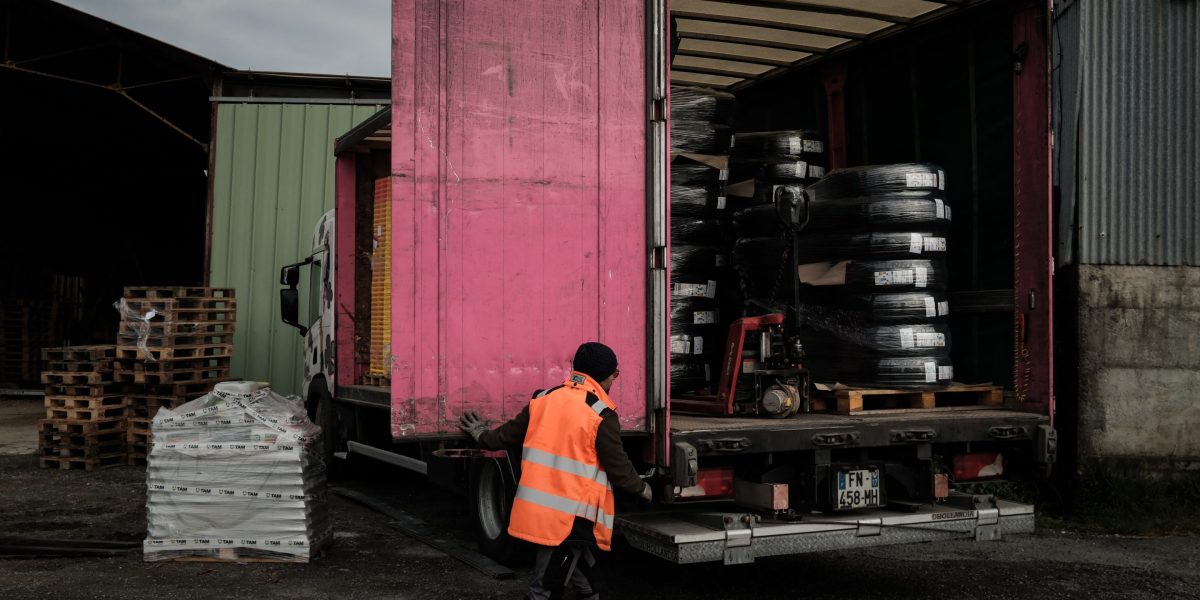
Organized theft rings are increasingly targeting the hardware that powers AI systems, including semiconductors, servers and data center equipment, according to supply-chain security firms and law enforcement agencies. The shift matters because high-value shipments are moving through strained supply chains while companies race to build AI infrastructure.
McKinsey has projected the data center build-out could become a $7 trillion market by the end of the decade. David Warrick, executive vice president at supply-chain risk management firm Overhaul, told Fortune that the rapid AI buildout has created shortages and made cargo moving through U.S. logistics networks more attractive to criminals.
Authorities in Illinois recently recovered $1.3 million in data center-related equipment, according to the Cook County Sheriff’s Office. The office said investigators found two trailers outside Chicago, including one with $300,000 in copper wire reported stolen in Pine Hill, Alabama, and about $1 million in data center infrastructure reported stolen in Jacksonville, Florida.
Verisk CargoNet said cargo theft reached $725 million in 2025. The firm reported 767 incidents in the first quarter of this year, involving $132 million in stolen goods.
The number of recorded incidents fell from 3,854 in 2024 to 3,594 in 2025, according to Verisk CargoNet, but the average loss per theft rose from about $200,000 to nearly $275,000. Overhaul said electronics accounted for 22% of cargo thefts last year.
Verisk CargoNet told Fortune that technology goods with strong resale value, including servers, semiconductors and AI infrastructure components, have become more attractive targets as demand from data center projects grows. The firm said thefts can also create costs beyond the missing equipment by delaying manufacturing and infrastructure deployment.
Recent cases show the scale of the losses. The Reno Police Department said last July that a truck shipment managed by Ceva Logistics, carrying about $15 million in semiconductors and Apple products, was stolen in Nevada. Authorities later found the empty trailer in California, about 280 miles away.
In December 2024, thieves stole more than $7 million in Nvidia computer chips from a California warehouse shortly before the shipment was due at a Supermicro facility in San Jose, according to reporting cited by Fortune.
Warrick told Fortune that the groups behind these thefts are not casual opportunists, but organized rings that can include gangs and international syndicates. He said some stolen goods are smuggled to countries including China, Russia and Iran, where U.S. export controls have restricted access to certain American AI technologies.
The Financial Times reported last month, citing traders, that the black-market price in China for Nvidia’s RTX 6000 Pro workstation chip has more than doubled since the start of the year because of demand.
The FBI also warned in April that cyber-enabled freight theft is increasing. In a public service announcement, the bureau said criminals have impersonated legitimate businesses, used spoofed emails and fake web addresses, broken into computer systems and rerouted high-value shipments.
Warrick said other tactics include fraudulent pickups and “ghost carriers” posing as legitimate transporters. He told Fortune that logistics firms are responding with software to verify licenses and paperwork, as well as AI tools for tracking shipments. Overhaul, he said, uses 30 billion data points and adds about 250 million more each month to its AI system.
This story draws on original reporting from Fortune.