
AI dealmaking lifts Goldman and JPMorgan to record revenue
Goldman Sachs and JPMorgan said AI-related trading, financing and deal activity helped push quarterly revenue to records.
By Maya Lindqvist · Senior Technology Correspondent
3 min read
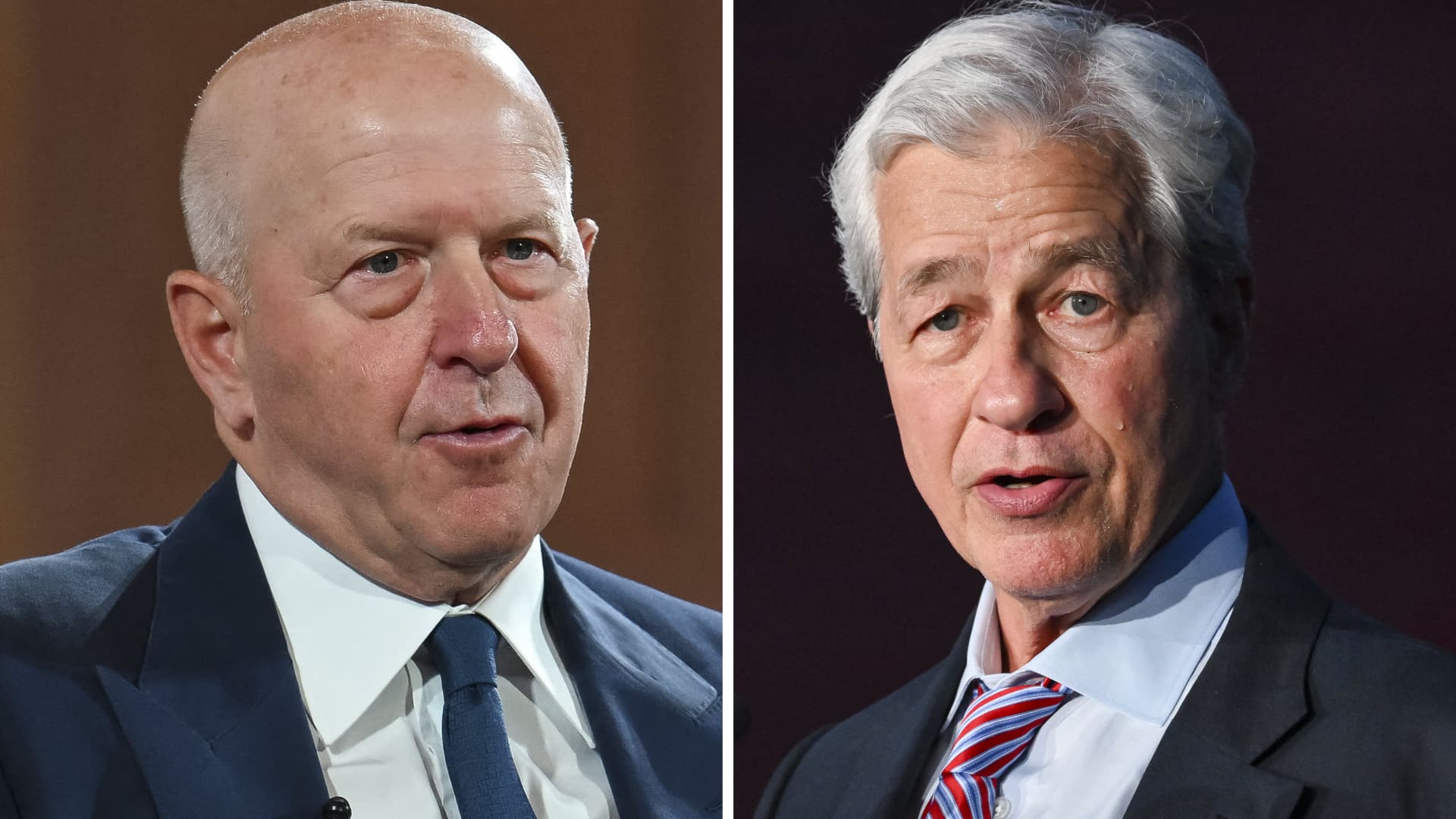
Goldman Sachs and JPMorgan Chase reported record quarterly revenue Tuesday, showing that artificial intelligence spending is feeding Wall Street as well as technology suppliers. The banks said trading, stock offerings, debt deals and advisory work tied to AI helped drive the results.
Goldman said revenue rose 39% to $20.3 billion in the quarter, according to its earnings materials. JPMorgan said revenue increased 27% to $58 billion, according to its quarterly report.
JPMorgan Chief Financial Officer Jeremy Barnum told reporters that AI-related activity is showing up across financial markets, including initial public offerings, index changes and Asian trading. He said the quarter reflected a very active global market environment tied in large part to the AI theme.
The results point to a broader set of beneficiaries from AI spending than chipmakers and large technology companies. Goldman, JPMorgan and other banks are earning fees by advising on deals, arranging financing for data centers and power projects, underwriting securities and handling heavier trading volumes, according to CNBC.
Trading desks get a lift
The strongest evidence came from equities trading, where Goldman and JPMorgan beat analyst expectations by a combined $4.4 billion, according to CNBC. JPMorgan said equities trading revenue rose 86% to $6 billion, while Goldman reported a 72% increase to $7.42 billion.
Bank of America also reported gains from the same market forces. The bank said equities trading revenue rose 70% to $3.6 billion.
Soofian Zuberi, president and co-head of global markets at Bank of America, told CNBC that investors looked beyond U.S. technology shares for AI exposure during the quarter. He said clients put more money into Asian markets, including South Korea, Taiwan and Japan.
Goldman shares rose 8% in afternoon trading Tuesday, while JPMorgan gained 2%, according to CNBC.
Financing needs spread beyond tech
Goldman CEO David Solomon told analysts that AI investment is creating a broad financing cycle across industries and regions. He described it as an AI capital expenditure cycle, with companies seeking funding through many types of instruments.
Solomon said Goldman is preparing for a three- to five-year investment cycle that remains in an early phase. Capital expenditures refer to business spending on physical assets such as factories, equipment and infrastructure.
Wells Fargo banking analyst Mike Mayo said the AI investment boom reached a “tipping point” in the second quarter, according to CNBC. Mayo said Goldman, JPMorgan and Morgan Stanley are the leading Wall Street beneficiaries, and he raised his price targets for Goldman and JPMorgan after their results. Morgan Stanley is scheduled to report earnings Wednesday.
Investment banking fees rise
AI-related activity also helped advisory and underwriting businesses, according to the banks. Goldman said investment banking revenue climbed 55% to $3.4 billion, while JPMorgan said its investment banking revenue rose 30% to $3.3 billion.
Those two totals were about $1 billion above analyst expectations combined, according to CNBC. Bank of America said investment banking fees increased 50% to $2.1 billion.
CNBC reported that Goldman served as lead adviser on the SpaceX IPO and Alphabet’s $90 billion equity issuance, and advised Dominion Energy on its sale to NextEra Energy. CNBC said those transactions were driven by the AI cycle.
Zuberi told CNBC that AI is also helping banks streamline internal processes. He said banks are benefiting from AI while also helping finance the data centers and other infrastructure needed to support it.
This story draws on original reporting from CNBC.